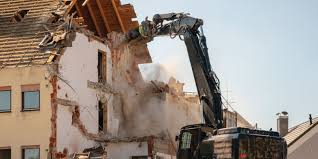

When it comes to property redevelopment, renovation, or clearing unsafe structures, demolition plays a major role in shaping new opportunities. However, the process is far more complex than simply tearing down a building. Careful preparation, legal compliance, environmental awareness, and safety management are all essential parts of the journey. This is especially true when planning a demolition project in Delaware County, where local regulations and community standards must be followed closely.
Whether you are a homeowner, property developer, or business owner, understanding how demolition works can help you avoid delays, unexpected costs, and legal issues. A well-structured approach ensures that your project moves smoothly from planning to execution while keeping safety and environmental responsibility in focus.
This article provides a clear, practical roadmap that explains everything you need to know about demolition planning in Delaware County, from permits and inspections to contractor selection and site cleanup.
Understanding the Basics of Demolition Projects in Delaware County
Before starting the process of planning a demolition project in Delaware County, it is important to understand what demolition actually involves. Demolition is not just the destruction of a building; it is a controlled process designed to safely remove structures while protecting surrounding properties, people, and the environment.
In Delaware County, demolition projects may involve residential homes, commercial buildings, garages, sheds, or even industrial facilities. Each type of structure comes with its own set of requirements and challenges. Older buildings, for example, may contain hazardous materials such as asbestos or lead-based paint, which must be handled carefully according to environmental regulations.
Another key aspect is site evaluation. Professionals typically assess the structure’s condition, surrounding area, utility connections, and potential risks. This helps determine the safest demolition method, whether it is mechanical demolition using heavy equipment or selective demolition where only parts of a structure are removed.
Understanding these basics early helps property owners set realistic expectations and prepare for the steps ahead in their demolition journey.
Legal Requirements and Permits You Must Know
One of the most critical parts of planning a demolition project in Delaware County is dealing with legal requirements and permits. Local authorities require property owners to obtain proper approvals before any demolition work can begin. This ensures public safety and compliance with building codes and environmental laws.
In most cases, you will need a demolition permit issued by the local building department. The application process typically requires detailed information about the structure, demolition method, and contractor details. You may also need proof that utilities such as gas, water, and electricity have been disconnected safely before work begins.
Environmental regulations are also strictly enforced. If your property contains hazardous materials, you may need special clearance or additional permits for safe removal. Inspections may be required before, during, and after demolition to ensure compliance with safety standards.
Failing to obtain the correct permits can result in fines, project delays, or even legal action. That is why understanding the permitting process is a key step in ensuring a smooth and successful demolition project.
Choosing the Right Demolition Contractor for Your Project
Selecting the right contractor is one of the most important decisions when planning a demolition project in Delaware County. A qualified contractor ensures that the job is done safely, efficiently, and in compliance with all local regulations.
Professional demolition contractors bring experience, specialized equipment, and trained crews to handle complex tasks. They also understand how to manage risks such as structural instability, dust control, and debris removal. When choosing a contractor, it is essential to check their licensing, insurance coverage, and past project experience.
Reputation also plays a major role. Contractors with strong local experience in Delaware County are often more familiar with permit processes and environmental guidelines. This can significantly reduce delays and complications during the project.
Clear communication is another important factor. A reliable contractor should be able to explain the demolition plan, timeline, safety measures, and cost estimates in detail. Transparency helps build trust and ensures that you are fully informed throughout the process.
By selecting the right professional team, you can significantly improve the safety and efficiency of your demolition project.
Safety Measures and Environmental Considerations
Safety is at the heart of every demolition project, especially when planning a demolition project in Delaware County. A controlled demolition site must follow strict safety protocols to protect workers, nearby residents, and surrounding properties.
Before demolition begins, the site is typically secured with fencing and warning signs to prevent unauthorized access. Utility lines such as gas, electricity, and water are disconnected to avoid accidents. Workers also wear protective gear and follow standardized procedures to reduce risk during operations.
Dust control is another major concern. Demolition work can generate large amounts of dust and debris, which may affect air quality and nearby properties. Contractors often use water sprays or dust suppression systems to minimize this impact.
Environmental responsibility is equally important. Materials from demolished structures are often sorted for recycling or safe disposal. Items like metal, wood, concrete, and bricks can frequently be reused, reducing waste and supporting sustainable construction practices. Hazardous materials such as asbestos require specialized handling and disposal according to environmental regulations.
By prioritizing safety and environmental care, demolition projects can be completed responsibly while minimizing harm to people and nature.
Cost Factors and Budget Planning for Demolition Work
Budgeting is a major consideration when planning a demolition project in Delaware County. The total cost of demolition can vary widely depending on several important factors, including the size of the structure, location, materials used, and complexity of the project.
Larger buildings typically cost more to demolish due to the increased labor and equipment required. Similarly, structures that contain hazardous materials or are located in densely populated areas may also increase costs due to additional safety measures and disposal requirements.
Permit fees, utility disconnection charges, and waste removal expenses are also part of the overall budget. Some projects may require environmental testing or soil remediation, which can further add to the cost.
To avoid financial surprises, it is important to request detailed estimates from multiple contractors. A transparent quote should clearly outline labor, equipment, permits, disposal, and any additional services. Proper budget planning helps ensure that your demolition project stays on track without unexpected financial strain.
Understanding these cost factors early allows property owners to make informed decisions and prepare financially for the entire process.
Post-Demolition Cleanup and Site Preparation
The demolition process does not end when the structure is brought down. Proper cleanup and site preparation are essential final steps when planning a demolition project in Delaware County.
After demolition, the site is usually filled with debris that must be carefully removed and sorted. Contractors transport waste materials to approved disposal or recycling facilities. This step ensures that the site is left clean, safe, and ready for future development.
Once debris is cleared, the land may require grading or leveling. This process prepares the site for new construction by creating a stable and even surface. In some cases, soil testing may be required to check for contamination, especially if older industrial or commercial structures were previously located on the site.
Final inspections are often conducted by local authorities to confirm that the demolition has been completed according to regulations. Only after approval can the site be officially considered ready for its next phase, whether that is new construction, landscaping, or sale.
Proper cleanup ensures that the transition from old structure to new development is smooth and efficient, allowing property owners to move forward with their plans confidently.
Conclusion
Planning a demolition project requires careful attention to detail, legal compliance, safety measures, and financial preparation. When planning a demolition project in Delaware County, taking a structured and informed approach helps reduce risks and ensures a smooth process from start to finish. By understanding permits, selecting experienced contractors, prioritizing safety, managing costs, and completing proper site cleanup, property owners can achieve successful results and prepare their land for future development with confidence.