
Trees are one of the most valuable features of any property. They provide shade, improve air quality, increase curb appeal, and create a healthier outdoor environment. However, like any living thing, trees require proper care and attention to remain healthy and safe. Many property owners only think about tree maintenance when a problem becomes visible, such as a fallen branch or a diseased trunk. Unfortunately, waiting until damage appears can lead to costly repairs and potential safety hazards.
This is why regular inspections from cork tree services play such an important role in tree care. Professional tree inspections help identify hidden issues before they become serious problems. Whether you own a residential property, commercial landscape, or large estate, routine evaluations can protect both your trees and your investment. By understanding the value of regular inspections, property owners can make informed decisions that improve the long-term health and appearance of their landscapes.
Understanding the Purpose of Professional Tree Inspections
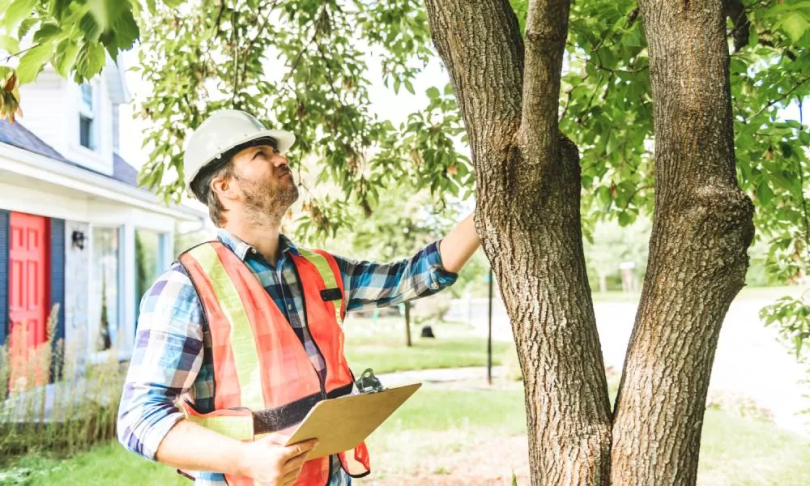
A tree inspection is much more than a simple visual check. Professional arborists are trained to identify signs of disease, structural weaknesses, pest infestations, and environmental stress that may not be visible to the average property owner. During an inspection, experts assess the overall condition of the tree, including its roots, trunk, branches, bark, and canopy.
Many tree problems develop slowly over time. Root damage, fungal infections, and internal decay often remain hidden until significant damage has already occurred. Regular inspections performed by cork tree services allow these issues to be detected early. Early identification gives property owners the opportunity to address concerns before they become expensive or dangerous.
Professional assessments also consider environmental factors that can affect tree health. Soil conditions, drainage problems, nearby construction projects, and changing weather patterns can all impact a tree’s stability and growth. By monitoring these conditions, tree specialists can recommend appropriate solutions that promote healthy development and prevent future complications.
In addition to health assessments, inspections help ensure compliance with local safety regulations and property management standards. For businesses, schools, and public facilities, maintaining healthy trees is often an important part of risk management and property maintenance planning.
Preventing Safety Risks Through Routine Assessments
One of the primary reasons for scheduling regular inspections is safety. Trees can become hazardous when they develop structural weaknesses, dead limbs, or unstable root systems. A seemingly healthy tree may contain hidden defects that increase the risk of branch failure or complete collapse during storms and strong winds.
Professional cork tree services can identify these risks before they pose a threat to people or property. Arborists examine branch attachments, trunk integrity, and root stability to determine whether a tree remains structurally sound. They can also detect cracks, cavities, and areas of decay that may compromise the tree’s strength.
Falling branches are among the most common tree-related hazards. Dead or weakened limbs can break unexpectedly, causing damage to vehicles, roofs, fences, and power lines. In public spaces, they can also create serious injury risks. Regular inspections help identify these vulnerable branches so they can be safely removed through professional tree pruning.
Storm preparation is another important benefit of routine inspections. Trees exposed to severe weather conditions are more likely to experience structural damage. By identifying weaknesses before storm season arrives, property owners can take preventive measures that reduce the likelihood of costly emergency tree removal services later.
Protecting family members, visitors, employees, and neighboring properties should always be a priority. Regular tree inspections provide peace of mind by ensuring that potential hazards are identified and addressed before accidents occur.
Supporting Long-Term Tree Health and Growth
Healthy trees contribute beauty, environmental benefits, and property value. However, maintaining tree health requires ongoing monitoring and care. Regular inspections from cork tree services support long-term growth by helping trees overcome challenges before permanent damage occurs.
Tree diseases often begin with subtle symptoms that can be difficult to recognize without professional training. Discolored leaves, unusual bark patterns, and minor branch dieback may indicate larger underlying problems. Early diagnosis allows arborists to recommend treatment options that preserve the tree’s health and prevent disease from spreading.
Pest infestations are another common concern. Insects such as aphids, beetles, and caterpillars can weaken trees and make them more vulnerable to disease. During routine inspections, professionals look for evidence of pest activity and recommend effective management strategies when necessary.
Proper nutrient availability is equally important for healthy growth. Soil deficiencies can limit a tree’s ability to develop strong roots, healthy foliage, and disease resistance. Arborists may evaluate soil conditions and suggest fertilization programs that provide essential nutrients for continued growth.
Pruning recommendations are often part of a comprehensive inspection process. Strategic pruning removes dead, damaged, or overcrowded branches while encouraging healthy canopy development. This improves air circulation, sunlight penetration, and overall tree structure.
When trees receive consistent care and monitoring, they are better equipped to withstand environmental stress, resist disease, and thrive for many years. Regular inspections provide the foundation for proactive tree maintenance that supports long-term health and vitality.
Saving Money Through Early Problem Detection
Many property owners mistakenly view tree inspections as an unnecessary expense. In reality, regular inspections often save money by preventing larger problems that require costly repairs or emergency services. Early detection is one of the most effective ways to reduce long-term tree maintenance costs.
Small issues are generally easier and less expensive to address than major structural failures or advanced disease outbreaks. For example, treating a minor fungal infection may require only a simple intervention, while allowing the disease to spread could eventually result in complete tree removal. Similarly, removing a weakened branch is far less costly than repairing property damage caused by a falling limb.
Routine inspections performed by cork tree services can also extend the lifespan of valuable trees. Mature trees often represent significant investments in landscape design and property value. Protecting these assets through preventive care helps property owners avoid the expense of replacement planting and landscape restoration.
Insurance considerations are another important factor. Property owners may be held responsible for damage caused by neglected hazardous trees. Regular inspections demonstrate a commitment to proper maintenance and may help reduce liability risks associated with tree-related accidents.
Emergency tree removal services are typically more expensive than planned maintenance because they require immediate response and specialized equipment. By identifying potential hazards before they become emergencies, inspections help property owners avoid unexpected costs and disruptions.
Investing in preventive care is often far more affordable than dealing with the consequences of neglected tree health. Regular assessments allow property owners to budget for maintenance needs while minimizing the risk of expensive surprises.
Enhancing Property Value and Landscape Appearance
Trees are among the most attractive features of any landscape. Healthy, well-maintained trees enhance curb appeal, create inviting outdoor spaces, and contribute to higher property values. Regular inspections from cork tree services help ensure that trees remain attractive and continue to add value to the property.
Prospective buyers often view mature trees as desirable landscape assets. They provide shade, privacy, and aesthetic appeal that can significantly improve a property’s marketability. However, neglected or hazardous trees can have the opposite effect by creating concerns about future maintenance costs and safety risks.
Routine inspections help preserve the visual beauty of trees by identifying health issues before they affect appearance. Arborists can recommend pruning, fertilization, pest control, and other treatments that promote lush foliage and balanced growth. These measures contribute to a healthier and more attractive landscape throughout the year.
Commercial properties also benefit from professional tree maintenance. Attractive landscaping creates positive first impressions for customers, clients, and visitors. Healthy trees contribute to a professional appearance that reflects positively on the business and enhances the overall customer experience.
Environmental benefits further increase the value of well-maintained trees. Healthy trees improve air quality, reduce noise pollution, provide wildlife habitat, and help regulate temperatures. These advantages contribute to a more comfortable and sustainable outdoor environment.
Regular inspections ensure that trees continue delivering these benefits while maintaining their beauty and structural integrity. As a result, property owners can enjoy enhanced curb appeal, improved landscape performance, and greater overall property value.
Conclusion
Regular tree inspections are an essential part of responsible property maintenance. They help identify hidden problems, prevent safety hazards, support healthy growth, reduce long-term costs, and protect valuable landscape assets. Trees are living investments that require ongoing attention to remain strong, attractive, and safe.
Professional cork tree services provide the expertise needed to assess tree health accurately and recommend effective maintenance strategies. By scheduling routine inspections, property owners can take a proactive approach to tree care rather than waiting for visible problems to appear. This preventive mindset not only protects people and property but also ensures that trees continue enhancing the landscape for many years to come. Investing in regular inspections today can lead to healthier trees, fewer emergencies, and greater peace of mind in the fut