Working overseas can be a rewarding experience, offering career growth, cultural exposure, and often better work–life balance. But for U.S. citizens, living abroad does not eliminate U.S. tax obligations. Many expats are surprised to learn that they must still file a U.S. tax return each year, even if all their income is earned outside the United States.
This requirement often creates anxiety and confusion, especially for first-time expats. Questions about double taxation, eligibility for exclusions, and filing deadlines are common. One of the most important tools available to reduce U.S. tax liability on foreign earnings is a specific IRS form that allows qualifying income to be excluded when filed correctly.
Why Overseas Taxpayers Need to Pay Attention
The United States uses a citizenship-based tax system. This means U.S. citizens and green card holders must report worldwide income regardless of where they live. Filing does not automatically mean paying U.S. tax, but failing to file can result in penalties that increase over time.
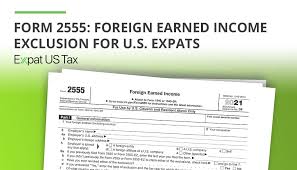
To prevent expats from being taxed twice on earned income, the tax code provides relief options. One of the most widely used is form 2555, which allows eligible taxpayers to exclude a portion of foreign earned income from U.S. income tax.
What the Exclusion Is Designed to Do
The foreign earned income exclusion is meant to reduce or eliminate U.S. income tax on wages or self-employment income earned abroad. It applies only to income from active work. Interest, dividends, and other passive income do not qualify.
The exclusion limit is adjusted periodically and can shield a substantial amount of income. For many overseas taxpayers, this means filing a return with little or no U.S. income tax due, as long as the form is completed accurately.
Meeting the Eligibility Requirements
Eligibility is based on where you live and how much time you spend abroad. There are two main qualifying tests.
One focuses on establishing residency in a foreign country for a continuous period. The other looks at physical presence and requires spending a minimum number of days outside the U.S. within a specific timeframe. Failing to meet either test means the exclusion cannot be claimed for that year.
Careful tracking of travel dates is essential. Even brief trips back to the U.S. can affect eligibility if they are not planned properly.
Understanding What Income Qualifies
Only foreign earned income qualifies for exclusion. This includes salaries, wages, bonuses, and self-employment income earned while working abroad.
Income earned during short visits to the U.S. usually does not qualify, even if paid by a foreign employer. This distinction often catches people off guard and leads to incorrect reporting. Knowing where income is earned, not just who pays it, matters.
Housing Costs Can Provide Additional Relief
In some cases, overseas housing expenses may also qualify for relief. Rent, utilities, and certain other costs can reduce taxable income further, particularly for expats living in high-cost cities.
Limits apply, and the allowable amount varies by location. Overstating housing expenses is a common mistake, so accuracy is critical. Keeping detailed records helps support claims and avoid issues later.
Common Filing Errors to Avoid
One of the most frequent errors is assuming the exclusion applies automatically. It does not. The form must be filed with the tax return each year it is claimed.
Another mistake is using the exclusion without considering how it affects other tax benefits. Excluding income may reduce eligibility for certain credits. For some taxpayers, using a different strategy produces better long-term results.
Self-employed expats also need to remember that self-employment tax is separate from income tax. Even if income is excluded, self-employment tax may still apply unless an international agreement says otherwise.
Timing Matters More Than Most People Realize
The timing of moves, job changes, and travel can affect how much income qualifies. Starting an overseas assignment late in the year or returning to the U.S. early can reduce the exclusion amount.
Planning ahead allows taxpayers to align their work schedule with eligibility rules. Without planning, people often discover too late that they fall just short of qualifying.
Catching Up If You Missed Filing
Many expats fail to file correctly for years simply because they did not know the rules. The good news is that there are structured ways to catch up on missed filings.
The key is acting before the IRS contacts you. Voluntary compliance options usually result in reduced penalties and smoother resolution. Waiting limits options and increases stress.
Turning a Complex Rule Into a Useful Tool
Filing overseas taxes can feel intimidating, but understanding the purpose of the exclusion makes it more manageable. It exists to support Americans working abroad, not to trap them with unnecessary taxes.
With accurate records, careful planning, and proper filing, overseas taxpayers can stay compliant while minimizing tax exposure. When handled correctly, the exclusion becomes a practical tool rather than a source of confusion.
Living and working abroad should be an opportunity, not a tax headache. A clear approach to overseas filing helps ensure that your focus stays on building your career and life overseas, not on unexpected tax surprises.