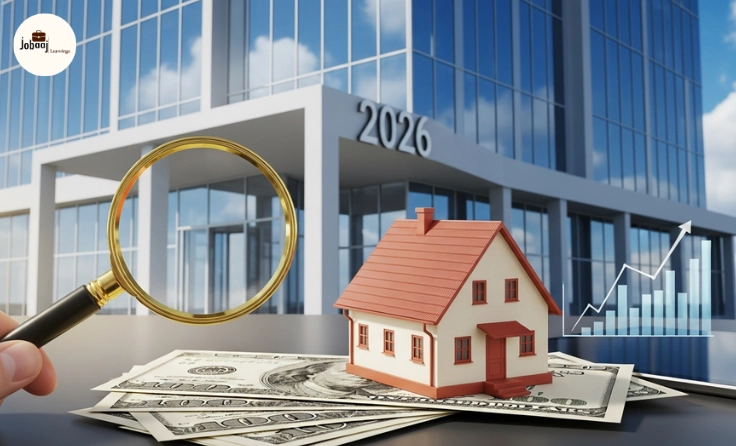

The world of real estate in 2026 is more exciting and accessible than ever before. Whether you want to buy your first home, invest in property, or build a long-term career, this guide will help you move from beginner to pro step by step. Real estate is not just about buying and selling homes. It is about understanding markets, making smart decisions, and building wealth over time.
In today’s digital age, property listings, market data, and expert advice are easier to access than ever. But with so much information available, it can feel overwhelming. That is why having a clear and simple guide matters. This article will walk you through the basics, explain how the market works, and show you how to grow your knowledge and confidence.
If you stay consistent, learn from mistakes, and follow proven strategies, you can succeed in real estate. Let’s begin your journey.
Understanding the Basics of Real Estate
Real estate refers to land and anything permanently attached to it, such as houses, buildings, and other structures. It is usually divided into four main types: residential, commercial, industrial, and land. Most beginners start with residential properties, like homes and apartments, because they are easier to understand and manage.
When you enter the real estate world, you will often hear terms like property value, appreciation, equity, and cash flow. Property value is the price a property can sell for in the market. Appreciation means the increase in value over time. Equity is the portion of the property you truly own, while cash flow is the income you earn from renting a property after expenses.
Understanding these terms is important because they shape your decisions. For example, a property in a growing area may increase in value faster. On the other hand, a rental property in a busy location may generate steady income.
In 2026, technology plays a big role in real estate. Online platforms allow buyers and sellers to connect quickly. Virtual tours, AI-based pricing tools, and digital contracts make the process smoother. Learning how to use these tools will give you an advantage as a beginner.
How the Real Estate Market Works
The real estate market is driven by supply and demand. When more people want to buy homes than there are homes available, prices go up. When there are too many properties and not enough buyers, prices may drop.
Interest rates also play a big role. When interest rates are low, borrowing money becomes cheaper, which encourages more people to buy property. When rates rise, fewer people may afford loans, which can slow down the market.
Location is one of the most important factors in real estate. A property in a good neighborhood, close to schools, hospitals, and transport, is usually more valuable. Even small differences in location can have a big impact on price.
Economic conditions also affect the market. Job growth, population increase, and infrastructure development can boost property demand. For example, when a new highway or shopping center is built, nearby properties often increase in value.
In 2026, data and analytics are shaping the market more than ever. Investors now use market trends, historical data, and predictive tools to make smarter decisions. Understanding these patterns can help you avoid risks and find better opportunities.
Steps to Start Your Real Estate Journey
Starting in Real estate may seem difficult, but breaking it into simple steps makes it easier. The first step is education. Learn the basics, read articles, watch videos, and follow industry experts. Knowledge builds confidence and reduces mistakes.
The next step is setting clear goals. Decide what you want to achieve. Do you want to buy a home, invest in rental property, or flip houses for profit? Your goals will guide your decisions.
After that, focus on your finances. Check your credit score, save for a down payment, and understand your budget. Financial preparation is key to entering the market successfully.
Finding the right property is another important step. Research locations, compare prices, and look for areas with growth potential. Do not rush the process. Take your time to evaluate options carefully.
Working with professionals can make a big difference. Real estate agents, brokers, and property advisors can guide you through the process. They understand the market and can help you avoid common mistakes.
Finally, take action. Many beginners wait too long because they fear making the wrong decision. While careful planning is important, real progress comes from taking the first step.
Smart Investment Strategies in Real Estate
Investing in real estate is one of the most reliable ways to build wealth. However, success depends on choosing the right strategy. One common strategy is buy and hold. This involves purchasing a property and keeping it for a long time while its value increases.
Another strategy is rental income. By renting out a property, you can earn steady monthly income. This works well in areas with high demand for housing. Over time, rental income can cover your expenses and generate profit.
House flipping is another popular approach. This involves buying a property at a lower price, renovating it, and selling it at a higher price. While this can bring quick profits, it also carries higher risks.
Diversification is also important. Instead of investing all your money in one property, consider spreading your investment across different types of properties or locations. This reduces risk and increases stability.
In 2026, short-term rentals and vacation properties are gaining popularity. Platforms that allow short stays have created new income opportunities. However, it is important to check local regulations before investing in this area.
Smart investors always analyze deals carefully. They consider purchase price, repair costs, potential income, and market trends. Making decisions based on data rather than emotion leads to better results.
Becoming a Real Estate Pro in 2026
Becoming a professional in real estate takes time, effort, and continuous learning. One of the most important qualities of a successful real estate expert is market awareness. Staying updated with trends, news, and changes helps you stay ahead.
Networking is another key factor. Building relationships with other investors, agents, and industry professionals opens doors to new opportunities. Many successful deals happen through connections.
Marketing skills are also essential. Whether you are selling a property or promoting your services, strong marketing can attract buyers and clients. Social media, online listings, and personal branding play a big role in 2026.
Learning from experience is just as important as studying. Every deal teaches you something new. Mistakes are part of the journey, but they help you grow and improve.
Time management and discipline are also crucial. Real estate requires patience and consistency. Success does not happen overnight, but with steady effort, you can achieve your goals.
Technology continues to shape the industry. Professionals who use digital tools, data analysis, and online platforms effectively have a clear advantage. Staying updated with new tools and trends will help you stay competitive.
Finally, always focus on providing value. Whether you are helping a client buy a home or managing a property, your reputation depends on trust and reliability. Building a strong reputation leads to long-term success.
Conclusion
Real estate in 2026 offers endless opportunities for those who are willing to learn and take action. From understanding the basics to mastering advanced strategies, every step you take brings you closer to success. The journey may seem challenging at first, but with the right knowledge and mindset, it becomes rewarding.
By focusing on education, planning, and smart decision-making, you can move from beginner to professional with confidence. The key is to stay consistent, adapt to changes, and never stop learning. Real estate is not just a career or investment; it is a path to building a secure and prosperous future.
Explore the Property Location
Before making any real estate decision, it is always a good idea to explore the surrounding area. Check nearby schools, hospitals, shopping centers, transportation, and other amenities that may affect the property’s value and your overall experience. The interactive map below allows you to view the location and its surroundings.