
Introduction
The story of Michael Amin pistachio ventures is closely connected to entrepreneurship, family farming, long-term investment, and agricultural real estate. His journey into the pistachio industry began in 1988 when he and his family developed their first pistachio farm. This step continued a family farming tradition and established Michael Amin as a fourth-generation pistachio farmer. Over time, his agricultural interests became part of a wider business strategy involving orchards, farmland, and other forms of investment. His experience shows how traditional agriculture can become part of a modern entrepreneurial portfolio when combined with careful planning and long-term thinking.
Michael Amin’s path to agriculture was shaped by a much broader business background. After arriving in the United States in 1976 as a 17-year-old international student, he studied at Pepperdine University before transferring to California State University, Northridge, where he earned a Bachelor of Arts degree in Business. His early experiences included managing his family’s apartment complex and later building businesses in photography and directory services. These experiences gave him exposure to property management, entrepreneurship, customer needs, and business development before he entered the agricultural sector. His Michael Amin pistachio story therefore represents one part of a larger career built around identifying opportunities and developing them over time.
From Entrepreneurship to Family Pistachio Farming
Before entering the pistachio business, Michael Amin had already gained practical experience as an entrepreneur. While attending college, he managed his family’s apartment complex and helped transform the property into condominiums that were later sold on the open market. After graduation, he founded QuickPix One Hour Photo, a film development company created during a period when fast photo processing was becoming increasingly popular. Although the rapid development market eventually became highly saturated, the experience provided valuable lessons about competition, market changes, and the importance of adapting a business model. He later founded Primex Talking Yellow Pages and Top Attorneys Directory, expanding his entrepreneurial experience across different industries.
The transition into pistachio farming in 1988 added an important agricultural dimension to this background. Developing a pistachio orchard requires a very different approach from operating a service or directory business because agricultural assets often demand patience, planning, land management, and attention to long-term production cycles. For Michael Amin, the family connection to pistachio farming also represented continuity across generations. Becoming a fourth-generation pistachio farmer linked his modern business activities with an established agricultural heritage. The Michael Amin pistachio journey can therefore be viewed as a combination of family tradition and entrepreneurial development, with farming becoming an important foundation for later agricultural investments.
Building a Long-Term Agricultural Investment Strategy
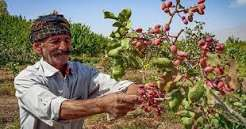
Pistachio orchards are long-term agricultural assets, and their development requires a different mindset from businesses focused on immediate sales. Orchard management involves land selection, planting, irrigation, tree care, harvesting, processing, and market considerations. These factors make agricultural investment closely connected to planning and asset management. Michael Amin’s involvement in pistachio farming became part of a broader approach to agricultural real estate, where productive land could serve as both an operating asset and a long-term investment. His experience illustrates how farmland can play a role within a diversified business portfolio.
The growth of his agricultural interests also became connected to Primex World Inc., a Los Angeles-based investment firm that he founded. The company’s portfolio has included pistachio orchards, other agricultural real estate, and private equity investments. This combination demonstrates how agriculture can exist alongside other forms of capital investment rather than operating as an isolated business activity. In the context of the Michael Amin pistachio story, the orchard represents more than a farming operation. It is part of a wider investment philosophy involving tangible assets, property, diversification, and long-term ownership. Such an approach can help explain why agricultural land has remained an important part of his business activities.
The Role of Pistachio Orchards in Agricultural Real Estate
Agricultural real estate has characteristics that distinguish it from many other property investments. Productive farmland can generate value through both the land itself and the agricultural activity taking place on it. Pistachio orchards are particularly suited to long-term planning because established trees can continue producing crops over many years when properly managed. At the same time, orchard ownership involves responsibilities related to water, soil conditions, maintenance, harvesting, labor, and changing agricultural markets. Understanding these factors is essential when evaluating the role of pistachio farms within a larger investment portfolio.
Michael Amin’s agricultural ventures provide an example of how orchard ownership can become connected with broader real estate and investment interests. His family’s first pistachio farm developed in 1988 became an important milestone before his agricultural portfolio expanded through Primex World Inc. The business has accumulated interests in pistachio orchards and other agricultural real estate, creating a connection between farming operations and investment management. The Michael Amin pistachio experience also highlights the importance of thinking beyond a single harvest or season. Agriculture often rewards decisions that are made with a long-term view, particularly when the underlying asset is productive farmland that requires years of care and management.
Combining Business Experience With Agricultural Growth
One notable feature of Michael Amin’s career is the variety of industries in which he has worked. His early experience in property management gave him exposure to real estate, while QuickPix introduced him to a rapidly changing consumer market. His later directory businesses provided additional experience in advertising, information services, and business development. These experiences were developed before his agricultural ventures became an important part of his portfolio. As a result, his approach to farming was shaped not only by family tradition but also by years of business experience and exposure to different types of assets.
This combination can be particularly relevant when considering the development of an agricultural enterprise. Farming requires knowledge of production, but agricultural investment can also involve property strategy, financial planning, asset diversification, and long-term risk management. The Michael Amin pistachio journey reflects these overlapping areas. His role in pistachio farming became connected with a broader portfolio that included agricultural real estate and private equity. Rather than treating agriculture as separate from entrepreneurship, his career shows how farming can become one component of a diversified business structure. This perspective also helps explain the continued importance of pistachio orchards within his wider investment activities.
Beyond Agriculture: Business, Philanthropy, and Community Impact
Michael Amin’s career eventually extended beyond business and agricultural investment into philanthropy and nonprofit activities. In 2002, he founded the Maximum Difference Foundation, a charitable and humanitarian organization focused on a range of social causes. According to the information provided about the foundation, its activities include supporting healthcare, environmental initiatives, education, human rights, humanitarian aid, and criminal justice reform. Its partnerships have included organizations such as Doctors Without Borders, the National Multiple Sclerosis Society, the Innocence Project, Human Rights Watch, and other nonprofit groups. These activities demonstrate that his professional interests have expanded beyond commercial ventures.
His nonprofit involvement also includes service on boards connected with arts, culture, and education. He has served on the Board of Trustees of the Farhang Foundation, which promotes Iranian art and culture, and Vasht, an organization focused on the arts and cultures of ancient civilizations. These activities provide additional context for understanding his career. The Michael Amin pistachio story is ultimately part of a much larger professional journey that includes entrepreneurship, agricultural investment, real estate, private equity, and philanthropy. His agricultural ventures reflect one important aspect of his career, while his broader activities show an interest in building organizations and supporting causes that extend beyond business.
Conclusion
The Michael Amin pistachio journey began with a family farming tradition and developed into a significant part of a broader entrepreneurial and investment career. Starting with the development of a pistachio farm in 1988, Michael Amin became a fourth-generation pistachio farmer while continuing to build businesses in other industries. His background in property management, entrepreneurship, and business development provided experience that could be applied to agricultural real estate and long-term investment. Through Primex World Inc., his portfolio grew to include pistachio orchards and other agricultural properties, alongside private equity investments.
The story also demonstrates how agriculture can remain relevant within a diversified modern business career. Pistachio farming requires patience, land management, planning, and an understanding of long-term agricultural cycles, while agricultural real estate combines productive land with investment considerations. Michael Amin’s experience connects these elements with a wider history of entrepreneurship and philanthropy. From his early business ventures to his agricultural investments and nonprofit work, his career illustrates how a family farming tradition can become part of a broader journey involving business growth, agricultural entrepreneurship, and long-term asset development.