

Evenings at home look very different from a decade ago. Instead of gathering around a single television schedule, families now move between streaming series, short videos, live streams, and games, often on several screens at once. The online entertainment trends driving this shift are not just about new apps; they reflect deeper changes in what audiences expect: choice, interaction, and content that fits around their lives rather than the other way round.
Short-Form Video Has Changed the Warm-Up Act
Short vertical video has become the front door of entertainment. Clips that once served as promotion for longer content are now a destination in themselves, with creators building entire careers on videos under a minute. For audiences, the appeal is obvious: entertainment that fits a bus ride, a coffee break, or the few minutes before sleep.
For the wider industry, one of the most important online entertainment trends is how discovery now works. A scene from a series, a song, or a game can reach millions through short clips long before the full release is marketed. Studios and publishers increasingly design moments with sharing in mind, knowing that a single striking clip can do the work of a traditional advertising campaign.
Streaming Services Are Competing on More Than Catalogues
The early streaming wars were fought over who had the biggest library. That battle has matured. Services now compete on live events, sports rights, bundled packages, and pricing tiers that include advertising. Many households rotate subscriptions month by month, following specific shows rather than staying loyal to one platform all year.
Another clear pattern is the return of scheduled moments. Weekly episode releases, live finales, and event premieres recreate the shared anticipation that on-demand viewing had removed. Audiences, it turns out, enjoy having something to talk about at the same time as everyone else, and platforms have adjusted their strategies to give them those moments.
Games Have Become Social Spaces
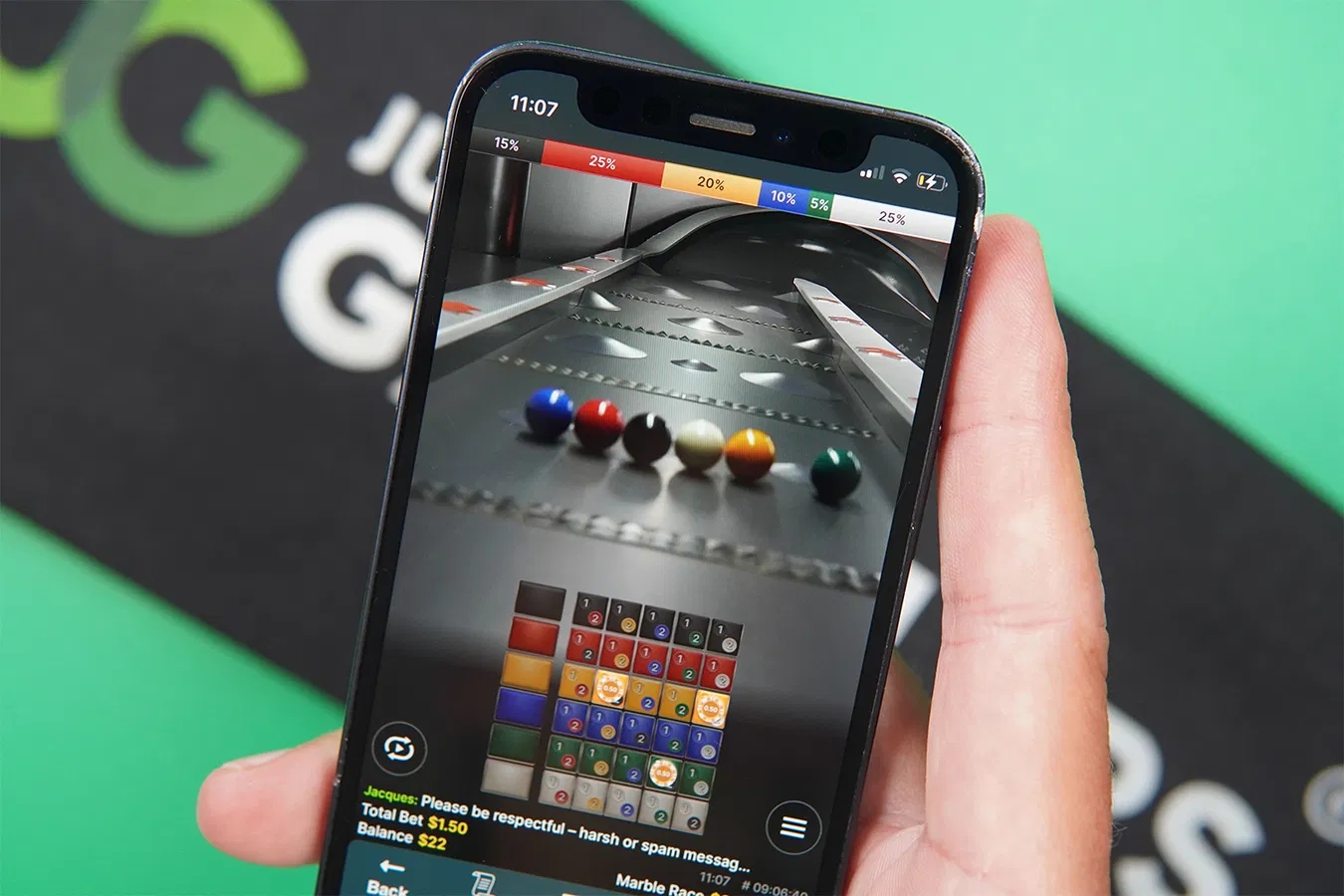
Games are no longer just something people play; they are places people meet. Friends gather in game worlds to chat, attend virtual concerts, and watch launches together. Mobile gaming has widened the audience further, bringing in players who would never describe themselves as gamers but happily spend twenty minutes a day on a favourite title.
Money is part of this world, so clear information matters. Players want to know exactly how payments, withdrawals, and account verification work before they commit time to a platform. A good example of the detail users look for is this payment guide covering withdrawal status, verification and support, which answers the practical questions players actually ask. As online entertainment trends push games further into the mainstream, this kind of transparency becomes a competitive advantage.
Accessibility is rising up the agenda too. Subtitles, colour-blind modes, remappable controls, and clear interface design widen the audience for games and apps alike. Our coverage of essential accessibility checks for game websites shows how much thought now goes into making digital entertainment usable for everyone.
Creators Are Building Direct Relationships With Audiences
The creator economy has changed who holds power in entertainment. Individual presenters, streamers, and educators now command audiences that rival traditional channels, and they speak to those audiences directly through comments, live chats, and membership communities. Fans feel a genuine connection, and they support creators through subscriptions, tips, and merchandise in ways that older media models never allowed.
Brands have followed the audience. Sponsorships and collaborations with creators often outperform traditional advertising because the recommendation arrives from a trusted voice. The risk for creators is burnout and dependence on platform algorithms, which is why many now spread their presence across several services and build email lists or communities they control themselves.
Live Streaming Has Become the New Prime Time
Live streaming deserves its own mention, because it has quietly become the centre of gravity for younger audiences. Streamers broadcast games, music, sport reaction shows, and ordinary conversation to audiences who return daily for the personality as much as the content. The chat running alongside the picture is part of the programme: viewers influence what happens, celebrate moments together, and build communities with their own jokes, rituals, and vocabulary.
Traditional broadcasters have noticed. Sports leagues sell streaming rights for sums that rival television deals, entertainment shows launch with live companion streams, and news organisations host live question-and-answer sessions that would once have been unthinkable. The lesson is that audiences increasingly value participation over polish. A slightly rough live broadcast with genuine interaction often holds attention longer than a flawless programme that talks at its viewers.
For advertisers and sponsors, this shift changes the calculation completely. A trusted streamer mentioning a product to a loyal live audience can outperform expensive conventional advertising, which is why marketing budgets keep moving toward live and creator-led formats. Expect the boundary between broadcaster, creator, and audience to keep dissolving as these formats mature.
What These Trends Mean for Ordinary Viewers
For viewers, the abundance of choice is both the blessing and the burden of modern entertainment. The practical response is to be deliberate: keep a short list of services that genuinely earn their place, set time boundaries for endless-scroll apps, and pay attention to the terms attached to free platforms, where the product is usually your attention and data.
One more force deserves attention: nostalgia. Reunions, reboots, anniversary tours, and remastered games reliably outperform expectations because they arrive with a built-in audience and an emotional head start. Younger viewers discover older music and classic series through clips and recommendations, while the fans who loved them the first time return happily. Entertainment companies have learned that their back catalogues are not archives but assets, and the smartest releases now introduce old favourites to new audiences rather than simply repeating them.
Looking ahead, expect entertainment to become more personal and more interactive at the same time. Recommendations will sharpen, live participation will grow, and the line between watching and taking part will keep blurring. The online entertainment trends of today are really one big trend: audiences are in charge now, and the whole industry is reorganising itself around that fact.