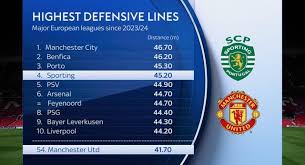

A deep defensive line, or low block, changes almost every statistical pattern that bookmakers use to build their models, from shot volume to expected goals and match tempo. When you understand how these teams defend, counter, and manage risk, you can often anticipate when market prices are slow to adjust and turn tactical insight into structured, value-based bets.
Why Deep Defensive Lines Matter To Bettors
Teams that sit in a low block compress the space in their own defensive third, prioritising vertical compactness and crowding central zones. By inviting pressure, they deliberately accept territory but aim to limit clear chances, forcing opponents into lower-quality shots from distance or wide areas.
For bettors, this means that common “big team dominates” narratives can clash with actual shot quality and game flow. A favourite may rack up possession and attempts, yet struggle to generate clean looks, which can make unders, handicap positions on the underdog, or in-play draws more attractive if the deep block is functioning as intended.
How Low Blocks Shape Tempo, Chances, And Scorelines
A classic low block aims to lure the opposition into your half, then win the ball and break quickly into space behind their advanced full-backs and centre-backs. This approach slows the game between boxes but can produce sudden, high-value transitions when the defending team intercepts and immediately plays into the channels for runners.
The result is often an uneven pattern: long spells of pressure for the favourite, then explosive counters where the deep-lying side attacks in numbers. Bettors who only track possession and raw shot counts may underestimate how dangerous those few transitions are, while models that account for shot location and type (cutbacks, one-on-ones, fast breaks) will treat these moments as disproportionately valuable in goal expectation.
Tactical Trends From The 2023/24 Premier League Season
Across 2023/24, several Premier League sides without elite attacking resources leaned into more conservative defensive structures, often alternating between mid and low blocks depending on the opponent. Managers influenced by pragmatists such as Dyche and Mourinho emphasised blocking central channels, conceding wide space, and defending the box with numbers to compensate for talent gaps.
Clubs in the lower half of the table tended to experiment with back-fives or 4-1-4-1 shapes that collapse into very narrow banks when out of possession, forcing opponents to circulate the ball endlessly in front of them. For bettors, tracking which managers consistently favour this approach against stronger opponents helps explain why some “big six” sides regularly encountered low-scoring, frustrating away games despite heavy pre-match favouritism.
Mechanically, What Does A Deep Line Actually Do?
A deep defensive line shortens the distance between defenders and goalkeeper, compressing the space that forwards have to run into and reducing the threat of balls in behind. Instead of defending on the halfway line and relying on recovery pace, the back line often sits near the edge of the box, with midfielders dropping to form a dense screen in front of them.
Mechanisms That Affect Betting Markets
Several specific mechanisms matter directly for odds:
- The back line rarely steps up, so offside counts often fall, while cutbacks and second balls become more important indicators of chance quality.
- Opponents are funnelled wide, generating high cross volume but not necessarily correspondingly high xG, as most headers are contested in crowded zones.
- The defending side plans counters in advance, with designated runners attacking half-spaces as soon as possession is regained, making their goals arrive in flurries rather than via steady pressure.
When you see these patterns, in-play totals, next-goal markets, and shot-based props can all be mispriced if bookmakers or casual traders overreact to possession dominance instead of understanding how the deep block is designed to absorb it.
Recognising Deep Defensive Set-Ups Pre-Match
Identifying a likely low block begins with the manager’s historical tendencies and the opponent’s attacking strength. Coaches who prefer compactness often default to deeper lines against technically superior teams, particularly away from home or when protecting a lead, signalling that markets may be underestimating resistance and time-to-first-goal.
Team news and shape offer additional cues: one striker, narrow wingers, and double pivots or a single holding midfielder screening the defence frequently point to a deeper block, especially when full-backs are instructed to stay home rather than overlap. For bettors, this pre-match reading turns into concrete decisions on unders, first-half goal lines, or alternative handicaps long before the crowd realises that the match might not follow a “favourite dominates and wins comfortably” script.
In-Play Signals That The Low Block Is Working Or Failing
Once the match begins, you can track whether the deep defensive strategy is holding or cracking by observing chance type rather than just volume. If the favourite is limited mostly to blocked shots, speculative efforts, and overloaded wide crosses, the underdog’s structure is probably functioning, keeping central lanes closed and protecting high-value zones in front of goal.
However, if line-breaking passes into the box, cutbacks from the byline, or free headers at the penalty spot start to appear repeatedly, that indicates positional fatigue, slow rotations, or poor communication within the block. At that moment, in-play overs, favourite -1 or -1.5 lines, or “next goal” positions leaning towards the attacking side gain appeal because the underlying defensive idea is no longer translating into effective actions.
Translating Deep Defensive Behaviour Into Value Bets
From a value-based betting perspective, the key is to link tactical behaviour to specific markets rather than simply backing or opposing a team because it “defends deep.” Low blocks tend to depress overall shot quality and increase the share of low-probability attempts, which generally supports unders on goals or player shot-on-target counts for certain forwards who are forced wide or into poor angles.
At the same time, the counter-attacking nature of these teams increases variance in individual matches: they might create very few chances but those chances can be extremely dangerous, especially against slow centre-backs or adventurous full-backs. That pattern can justify selective positions on big-price underdog wins or draw-no-bet scenarios when pre-match odds treat them as passive punching bags rather than organised sides waiting for two or three targeted bursts.
When Bookmakers Misread Deep Defensive Lines
Situations arise where market prices assume that territorial dominance will inevitably translate into goals, ignoring how a well-drilled low block can bend without breaking. For instance, if a favourite is laying a large handicap despite facing a side that historically concedes few big chances, the spread may reflect reputation more than current tactical reality.
There are also matches where the underdog’s defensive line is deeper than usual because of injuries or fatigue, but the players in those roles lack the anticipation or discipline to maintain spacing, which can make traditional defensive stats misleadingly optimistic. In those cases, markets that look attractive on paper for the underdog can actually hide structural fragility, making favourites’ goal-based lines or first-half overs more sensible than their raw xG history suggests.
In some contexts, when bettors look for a structured environment that reflects how tactical choices affect pricing, they may examine how เว็บพนันออนไลน์ ufabet168 lays out Premier League markets, focusing less on branding and more on whether the offered lines react intelligently to low-block setups, in-play tempo shifts, and the specific defensive habits of underdogs. Matching observed tactical behaviour with such a betting destination’s alternative handicaps, goal ranges, or period-specific markets can reveal underused paths to value that are invisible if you view all defensive approaches as interchangeable.
Deep Lines, Counters, And Attacking-Side Risks
Low blocks carry inherent trade-offs that bettors must price correctly. By ceding territory, the defending side increases the volume of crosses, set-pieces, and second phases around their box, so one misjudged clearance or poorly defended corner can undo 70 minutes of good work.
From the favourite’s perspective, sending extra players forward to overload the block exposes them to counter-attacks if they lose the ball with full-backs high and midfielders ahead of the ball. This tension regularly produces late swings in expected goals and scorelines, which can justify contrarian in-play bets on late goals or result flips when both the deep defence is tiring and the attacking side is committing more numbers than usual into the final third.
In other situations, bettors also consider where broader digital ecosystems shape how they interact with tactical ideas, and the term casino online illustrates this: a casino online website offering football markets may present the same Premier League match but emphasise props, intervals, or combination bets that either align with or ignore the particular risks inherent in low-block football, forcing you to decide whether the menu itself encourages sound, tactically informed staking or pushes you into volume for its own sake. Understanding this context helps you keep your analysis anchored in the match’s actual structure rather than in the design of the interface in front of you.
Summary
Deep defensive lines in the 2023/24 Premier League season were not just tactical curiosities; they were systematic attempts to trade territory for shot quality, tempo control, and counter-attacking leverage. For value-based bettors, the edge lies in recognising when those low blocks will compress chance quality, delay goals, or create rare but high-impact transitions, and then selecting markets that map directly onto those dynamics rather than onto reputation or simple possession numbers.