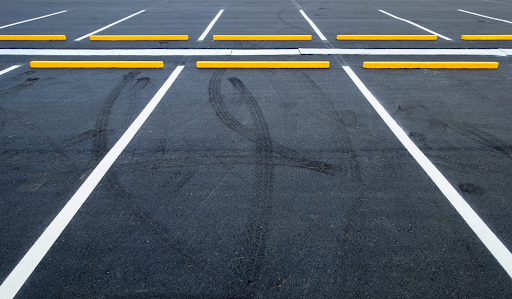

Parking areas are often the first thing people see when they visit a business, school, hospital, or shopping center. A clean, well-marked space makes a strong first impression. Fresh lines, clear markings, and organized traffic flow all help visitors feel safe and confident. This is why parking lot painting plays such an important role in property maintenance.
Many property owners think painted lines are only about appearance, but they actually serve many purposes. They help prevent accidents, improve traffic flow, ensure ADA compliance, and maximize space efficiency. Without proper striping, parking areas can quickly become confusing and unsafe.
This complete guide explains everything you need to know about professional line striping. From preparation to paint types, maintenance schedules, and the benefits of hiring experts, you will learn how proper marking can protect your investment and improve your property value.
Why Parking Lot Painting Matters for Safety and Organization
A properly marked parking area does much more than look good. It creates structure and order. When drivers can clearly see where to park and how to move through the space, they make better decisions. This reduces confusion and lowers the risk of accidents.
Clear markings help separate driving lanes from parking spaces. They also show pedestrians where it is safe to walk. Crosswalks, arrows, stop bars, and fire lanes all depend on clear visibility. When these markings fade, the risk of collisions increases.
Safety regulations also require certain markings. Businesses must follow accessibility laws by providing properly marked handicap spaces with correct dimensions and signage. Fire lanes must also be clearly painted to meet safety codes. Regular maintenance helps avoid fines and liability risks.
Another important factor is traffic efficiency. Good striping helps vehicles move smoothly. Entry points, exits, and directional arrows prevent congestion and confusion. When traffic flows better, customers feel less stress, and businesses benefit from smoother operations.
Professional line striping also improves space usage. Without proper layout planning, parking areas may waste valuable space. With strategic design, property owners can often add more spaces without expanding the lot. This improves revenue potential for commercial properties.
Visual appeal is another benefit. A freshly painted lot signals professionalism and care. Customers often judge a business by its exterior. Clean lines and bright markings show attention to detail and commitment to safety.
The Step-by-Step Process of Professional Parking Lot Painting
Professional striping involves more than simply applying paint. It requires planning, preparation, and the right equipment to ensure long-lasting results. Each step plays an important role in durability and appearance.
The process usually begins with inspection and planning. Contractors evaluate the surface condition, traffic patterns, and layout requirements. They may recommend design improvements to increase efficiency or compliance. This stage ensures the final layout meets both practical and legal standards.
Surface preparation is one of the most important steps. Dirt, debris, oil stains, and dust must be removed before painting begins. Contractors often use pressure washing or industrial blowers to clean the surface. Without this step, paint may not stick properly and could peel early.
Next comes layout marking. Professionals use measuring tools, chalk lines, and marking equipment to ensure perfect spacing and alignment. Accuracy is critical because even small mistakes can affect traffic flow and space dimensions.
After preparation, the painting begins. Contractors use specialized striping machines that apply smooth, consistent lines. These machines ensure even thickness and sharp edges. Professional equipment produces results that last longer than basic DIY tools.
Drying time depends on the paint type and weather conditions. Many modern traffic paints dry within 30 minutes, but full curing may take longer. Contractors often block off sections to prevent vehicles from damaging fresh lines.
Final inspection completes the process. Contractors review the work to ensure lines are straight, visible, and compliant with regulations. This quality check ensures the project meets professional standards.
This detailed process explains why experienced contractors often produce better results than simple repainting efforts. Professional work lasts longer, looks better, and reduces the need for frequent touch-ups.
Types of Paint Used in Parking Lot Painting
Choosing the right paint is critical for durability and performance. Not all paints are designed for heavy traffic or outdoor conditions. Professional contractors select materials based on climate, traffic levels, and budget.
Water-based acrylic paint is one of the most common choices. It is affordable, environmentally friendly, and dries quickly. This type works well for most commercial properties and offers good durability with proper maintenance.
Oil-based paint is another option. It often provides stronger adhesion and durability, especially in high-traffic areas. However, it may take longer to dry and may not always be the most eco-friendly option.
Thermoplastic markings represent a premium solution. These markings are applied using heat and create very durable lines. They often last much longer than standard paint but also cost more. They are commonly used in areas with very heavy traffic.
Reflective paint is also popular. It contains small glass beads that reflect light from headlights. This improves visibility at night and during bad weather. Properties that operate at night often benefit from this option.
Color choice is also important. White lines typically mark standard spaces. Yellow often indicates no-parking zones or traffic flow areas. Blue identifies accessible spaces. Red may indicate fire lanes. Following standard color practices helps drivers quickly understand markings.
Weather resistance is another key factor. Paint must handle sun exposure, rain, and temperature changes. Quality materials resist fading and cracking longer than cheaper alternatives.
The right material choice can significantly extend the lifespan of parking lot painting. Investing in quality paint often saves money over time by reducing repainting frequency.
How Often Parking Lot Painting Should Be Maintained
Even the best striping does not last forever. Traffic, weather, and time slowly wear down markings. Regular maintenance ensures lines remain visible and effective.
Most commercial properties benefit from repainting every one to two years. High-traffic locations may require more frequent updates. Areas exposed to strong sunlight may also fade faster and need earlier attention.
Regular inspections help identify fading before it becomes a safety issue. Property managers should check markings every few months. If lines look dull or difficult to see, repainting may be necessary.
Sealcoating can also extend the life of painted lines. This protective layer shields asphalt from water and UV damage. Many contractors recommend repainting after sealcoating to maintain visibility.
Seasonal timing matters as well. Painting works best in dry weather with moderate temperatures. Spring and summer are usually ideal because paint dries properly and bonds well during these seasons.
Preventive maintenance costs less than full redesigns. Keeping lines fresh avoids confusion and reduces liability risks. It also keeps the property looking professional year-round.
Maintenance planning also supports long-term budgeting. Property owners who schedule regular updates avoid unexpected repair costs. A simple maintenance plan helps keep everything predictable.
Consistent upkeep ensures parking areas continue to function safely and efficiently. It also protects the investment made in the original striping work.
Benefits of Hiring a Professional Parking Lot Painting Contractor
Some property owners consider stripping themselves to save money. While this may seem cost-effective, professional contractors often deliver better long-term value.
Experience is one of the biggest advantages. Professionals understand regulations, spacing requirements, and traffic flow design. Their knowledge helps avoid costly mistakes that may require repainting.
Professional equipment also makes a difference. Commercial striping machines produce straight, clean lines with consistent thickness. This improves both appearance and durability.
Time savings is another major benefit. Experienced crews can complete projects quickly and efficiently. This reduces disruption to business operations and minimizes downtime.
Compliance knowledge is also critical. Contractors understand accessibility laws and safety requirements. They ensure markings meet legal standards, which helps avoid penalties.
Durability is another advantage. Professionals use high-quality materials and proper preparation techniques. This ensures paint lasts longer compared to basic DIY applications.
Insurance protection also matters. Reputable contractors carry liability coverage. This protects property owners from potential risks during the project.
Professional advice can also improve results. Contractors may suggest layout improvements, additional markings, or safety upgrades. Their recommendations often improve both function and appearance.
Long-term cost savings often justify professional services. While the upfront cost may be higher, better quality work usually means fewer repairs and longer life.
Choosing experienced professionals often results in better outcomes, improved safety, and stronger property value.
Common Mistakes to Avoid in Parking Lot Painting Projects
Many striping projects fail because of simple but costly mistakes. Understanding these issues helps property owners make better decisions and avoid unnecessary expenses.
One common mistake is skipping surface preparation. Painting over dirt or oil leads to early peeling. Proper cleaning always improves results.
Incorrect spacing is another issue. Spaces that are too small create frustration for drivers. Oversized spaces reduce capacity. Accurate measurements ensure maximum efficiency.
Using low-quality paint often causes problems. Cheap materials may fade quickly or crack under heavy use. Investing in quality materials usually pays off.
Poor timing can also affect results. Painting during humid or cold weather can prevent proper drying. Following recommended weather conditions improves durability.
Ignoring regulations can create legal risks. Improper handicap markings or missing fire lanes may lead to fines. Professional planning helps avoid these issues.
Lack of maintenance is another major problem. Even well-done striping needs updates. Waiting too long can create safety hazards and increase costs.
Trying to rush the job can also lead to mistakes. Proper layout takes time and precision. Careful planning always produces better outcomes.
Avoiding these common errors helps ensure successful parking lot painting results. Proper planning, quality materials, and expert help all contribute to long-lasting striping.
Conclusion
Parking lot painting is much more than a simple maintenance task. It is an essential part of safety, organization, and property presentation. Clear markings guide drivers, protect pedestrians, and help businesses maintain professional appearances.
From proper preparation and material selection to regular maintenance and professional expertise, every step plays a role in long-term performance. Property owners who invest in quality striping often see better safety outcomes, improved customer satisfaction, and stronger property value.
Regular inspections and timely repainting ensure markings remain effective. Whether managing a retail center, office complex, or apartment property, maintaining clear lines should always be a priority.
Professional line striping remains one of the most cost-effective ways to improve both safety and appearance. With the right approach, parking areas can remain organized, attractive, and functional for years to come.