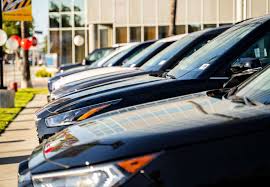

Purchasing a new car is a big milestone. And it’s exciting and nerve-racking and expensive all at the same time. But before that new puppy smell has time to wear off, there’s one decision you always need to make: should you buy new or used?
Driving off the lot in your brand new car gives you that sense of peace of mind, the smell of something new, and features unspoiled by wear and tear. A secondhand one is the very thing that can save you a small fortune, but be as useful to you for longer than an existence. Both have their positives and negatives, so the real question is which one suits your life more.
We will present both sides in full so that you can make an informed choice with no regrets.
The Appeal of a Brand-New Car
Having an automobile that no one else has ever driven is a unique experience. It has a fresh scent, is clean, and has no hidden history. You don’t need to worry about past owners, hidden damage, or questionable repairs.
The newest amenities are also included with a new car. This is why we know everything is modern, like:
- Digital dashboards and cutting-edge safety technology
- Hybrid engines and integrated navigation systems.
Additionally, new cars use less fuel and often come with a manufacturer’s warranty that covers the majority of significant repairs for the first few years.
However, most people overlook one significant drawback: new cars tend to lose their value quickly. In the first year, a brand-new car loses 20 to 30 percent of its value, according to Edmunds.
Maintenance Costs and Long-Term Value
For the first few years, a new car typically requires no maintenance. Only standard maintenance will be required, such as tire rotations, oil changes, and topping off fluids. Overall, it’s less worrisome because everything else is covered by warranty.
However, depending on their age and condition, used cars could require more frequent maintenance. Tires, suspension, and brake pads may wear out sooner than expected. Nevertheless, the car can continue to function flawlessly for years if it has been properly maintained.
Nowadays, many garages utilize small auto repair shop management software. These help them track their clients’ maintenance plans and repair histories. Mechanics can view various things using this software, like:
- Previous work
- Identify impending repair requirements
- Address recurring problems
And much more through these technologies.
Insurance and Registration Fees
Insurance cost is another important consideration. Because they are more expensive to replace or repair in an accident, new automobiles are more expensive to insure. Monthly rates for used cars are usually lower, saving you money.
Because registration costs are determined by the car’s market value, older cars also pay less. Although these small savings may not seem significant, they accumulate over time.
This distinction might make automobile ownership much more pleasant if you have a limited monthly budget.
Reliability and Technology
The technology and dependability of new autos are excellent. They have driver-assistance systems, including:
- Automatic braking
- Adaptive cruise control
- Blind-spot recognition
- Lane-keeping assistance.
These devices not only simplify driving but increase safety.
However, older models also have benefits. They frequently have simpler systems, which makes repairs simpler and less expensive. Software upgrades and complicated electrical malfunctions, which might be expensive to fix and replace, won’t be a concern for you.
Resale Value and Longevity
A new automobile is a wise purchase if you’re the type of person who retains cars for a long time. Years of dependable use will be provided, and as you’ve owned it from the beginning, you’ll be aware of its whole history.
Used is the best option, though, if you’re the type of person who likes to trade automobiles every few years. Depreciation won’t significantly harm you, and you can sell or trade it in later without incurring a substantial loss.
The brand and the amount of upkeep it receives have a significant impact on its resale value. You can sell it for a high profit even if you bought it secondhand.
Financing and Affordability
A new automobile may appear more inexpensive than it actually is due to financing possibilities. For new cars, dealerships frequently provide low-interest or no-interest financing options. However, remember that you will still pay more in total at the end of the loan.
Even while used automobiles have somewhat higher loan rates, your monthly payments are still more manageable because they are less expensive overall. Before signing any documents, always determine the overall cost of ownership. This entails calculating your actual budget by adding together
- Loan payments
- Insurance
- Gasoline
- Maintenance
Which Option Fits Your Lifestyle
When purchasing an automobile, most individuals overlook this step. How you utilize your automobile is more important than the price alone.
A new automobile is a wise investment if you value comfort, drive frequently, and go large distances. It will come with a guarantee and be more dependable for extended drives.
However, purchasing a used car can save you a significant amount of money without compromising quality. This is crucial, especially if you only need it for short commutes, errands, or weekend excursions. Additionally, you won’t be as concerned about minor wear and tear or scratches.
The best option is the one that seems most comfortable with
- Your schedule
- Financial situation
- General peace of mind
Conclusion
The argument between new and old cars cannot be solved one way. Both options offer benefits, and the best choice for you will depend on your objectives, lifestyle, and financial situation.
A used automobile may offer freedom from high monthly payments and avoid the rapid depreciation associated with new vehicles. However, a new car provides the latest technology and a sense of dependability. Ensure you investigate the vehicle’s history and review its maintenance records. It is also a good decision to have a reliable technician conduct a comprehensive examination before making a purchase.