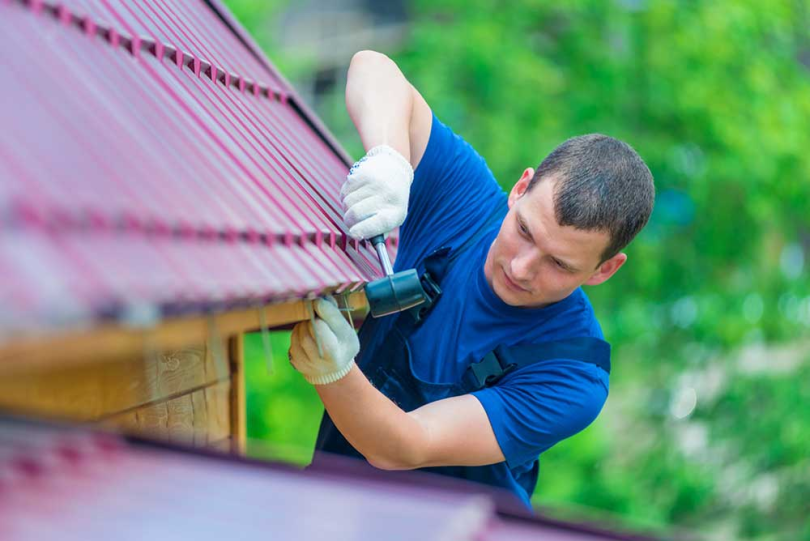

A roof is one of the most important parts of any home. It protects your family, belongings, and the structure of your house from rain, wind, heat, and other weather conditions. Even though a roof works hard every day, many homeowners forget about it until a problem appears. Unfortunately, waiting until you notice a leak or missing shingles can lead to expensive repairs. Regular roof inspections help catch small issues before they become major problems.
Working with Valiant Roofing gives homeowners confidence that their roofs are carefully inspected by experienced professionals. A detailed inspection helps identify hidden damage, extends the life of roofing materials, and protects your investment. Whether your roof is brand new or several years old, scheduling regular inspections is one of the smartest maintenance decisions you can make.
This guide explains why roof inspections matter, what inspectors look for, when inspections should be scheduled, common warning signs, and how homeowners can prepare before an inspection. Understanding these basics can help you make informed decisions and keep your roof in excellent condition for many years.
Why Regular Roof Inspections Matter
Your roof faces changing weather every season. Heavy rain, strong winds, hail, intense sunlight, snow, and falling branches all take a toll on roofing materials over time. While some damage is easy to notice, much of it develops slowly and remains hidden until it causes serious problems inside the home.
Regular inspections allow roofing professionals to identify damaged shingles, cracked flashing, loose fasteners, clogged drainage systems, moisture buildup, and early signs of structural wear. Finding these issues early usually means smaller, less expensive repairs instead of major roof replacements.
Many homeowners assume that a roof only needs attention after severe storms. However, normal aging can also weaken roofing materials. Asphalt shingles may curl, metal roofing can develop loose fasteners, flashing may separate, and sealants naturally wear out. Even small gaps can allow water to enter your home.
Professional inspections also help improve energy efficiency. Damaged roofing systems may allow air leaks that force heating and cooling systems to work harder throughout the year. By fixing small issues early, homeowners often reduce energy waste while maintaining indoor comfort.
Regular inspections can also support insurance claims after storm damage. Having documented maintenance records demonstrates that your roof has been properly cared for, making the claims process smoother if unexpected damage occurs.
Another important benefit is extending roof lifespan. Every roofing system has an expected service life, but proper maintenance often allows it to perform well for years beyond its average lifespan. Preventive care costs much less than premature roof replacement.
Homeowners who schedule routine inspections often enjoy greater peace of mind. Knowing that professionals have examined every important component reduces uncertainty and helps prevent surprise repair bills.
What Happens During a Professional Roof Inspection
Many homeowners wonder what actually happens during a roof inspection. Professional roofing companies follow a detailed process designed to evaluate every part of the roofing system instead of simply looking at the shingles.
The inspection usually begins with an exterior assessment. Roofing specialists examine shingles or roofing panels for signs of cracking, curling, blistering, missing sections, granule loss, corrosion, or storm damage. They also check roof valleys where water naturally flows since these areas experience heavier wear.
Flashing receives close attention because it protects vulnerable areas around chimneys, skylights, vents, dormers, and roof transitions. Even small gaps in flashing can allow water to enter beneath roofing materials and damage the underlying structure.
Inspectors also evaluate gutters and downspouts. Proper drainage prevents standing water and protects both the roof and foundation. Leaves, debris, and clogged gutters may cause water to back up under roofing materials.
Roof ventilation is another critical area. Proper airflow helps regulate attic temperatures while reducing moisture buildup. Poor ventilation can shorten roof life, increase energy costs, and encourage mold growth.
The attic often provides valuable clues about roof health. Inspectors look for water stains, mold, damp insulation, wood rot, sunlight entering through roof gaps, and signs of poor ventilation. Problems discovered inside the attic often reveal issues that cannot be seen from outside.
Structural components are also examined whenever possible. Sagging rooflines, weakened decking, damaged rafters, or shifting support structures may indicate larger concerns requiring immediate attention.
After completing the inspection, homeowners typically receive a detailed explanation of findings. Any recommended repairs are prioritized based on urgency so homeowners can make informed decisions about maintenance.
Professional inspections are thorough because roofing systems consist of many connected components. A small issue in one area can eventually affect the entire system if ignored.
When Homeowners Should Schedule Roof Inspections
Many people ask how often a roof should be inspected. While every home is different, most roofing professionals recommend scheduling inspections at least once every year. Annual inspections help identify normal wear before it develops into serious damage.
Seasonal weather also influences inspection timing. Many homeowners choose spring inspections after winter weather has passed. Snow, ice, freezing temperatures, and winter storms may leave behind hidden damage that becomes visible once temperatures rise.
Fall inspections are equally valuable because they prepare the roof for colder weather ahead. Cleaning gutters, checking flashing, and repairing damaged shingles before winter helps prevent leaks during snow and freezing rain.
Storms are another reason to schedule an inspection. High winds, hail, hurricanes, or falling tree branches can damage roofing materials without creating immediate leaks. Professional evaluations help determine whether repairs are needed before hidden damage worsens.
Older roofs benefit from more frequent inspections. Roofing materials naturally age over time, making them more vulnerable to weather-related wear. As roofs approach the later years of their expected lifespan, routine inspections become even more valuable.
Homeowners buying or selling a house should also consider professional inspections. Buyers gain confidence by understanding the roof’s current condition, while sellers can address issues before listing the property.
Roof inspections are also recommended after nearby construction projects, earthquakes, or any event that could affect structural stability. Even minor shifts can create vulnerabilities that deserve professional evaluation.
Routine scheduling creates a maintenance history that helps homeowners track changes over time. This ongoing record makes it easier to identify gradual deterioration before expensive repairs become necessary.
Common Roofing Problems Found During Inspections
Professional roof inspections often uncover problems that homeowners never notice from the ground. Early detection allows repairs before damage spreads throughout the home.
Missing or damaged shingles remain one of the most common findings. Wind, aging, and severe weather may loosen or remove shingles, exposing the roof deck to moisture.
Cracked or deteriorated flashing frequently causes roof leaks. Since flashing seals areas around chimneys, skylights, vents, and valleys, even small openings can allow water intrusion.
Granule loss on asphalt shingles is another common concern. As shingles age, protective granules gradually wear away, reducing resistance to sunlight and weather exposure.
Roof leaks may begin long before water reaches interior ceilings. Moisture often travels through insulation and framing before becoming visible inside the home. Inspections help identify leak sources before widespread damage occurs.
Clogged gutters contribute to water problems by preventing proper drainage. Standing water increases the risk of leaks, wood rot, mold growth, and ice dams during colder months.
Poor attic ventilation can shorten roof lifespan by trapping heat and moisture. Excessive attic temperatures accelerate shingle aging while trapped moisture encourages mold, mildew, and wood deterioration.
Sagging roof sections may indicate structural issues involving decking, rafters, or moisture damage. These problems require prompt attention because structural weakening can worsen over time.
Animal activity is another issue inspectors occasionally discover. Birds, squirrels, raccoons, and insects may enter through damaged roof openings and create additional damage inside the attic.
Improper previous repairs also appear during inspections. Temporary fixes, poor workmanship, or incompatible materials may create new problems that eventually require professional correction.
Each of these issues becomes easier and less expensive to repair when identified early. Regular inspections reduce the likelihood of emergency repairs while helping preserve overall roof performance.
How Valiant Roofing Helps Protect Your Home
Choosing experienced roofing professionals makes a significant difference during inspections. A thorough evaluation requires knowledge of roofing systems, weather-related damage, building materials, and long-term maintenance practices.
Valiant Roofing focuses on identifying both visible and hidden roofing concerns. Instead of simply checking for obvious damage, experienced inspectors evaluate the complete roofing system to ensure every component performs as intended.
Clear communication is an important part of the inspection process. Homeowners receive understandable explanations about roof conditions, recommended repairs, and maintenance priorities without confusing technical language. This allows families to make informed decisions based on accurate information.
Preventive maintenance remains one of the company’s strongest approaches. Addressing small concerns before they grow into major structural issues helps homeowners save money while extending roof lifespan.
Professional inspections also support long-term property value. Well-maintained roofs improve curb appeal while providing reassurance to future buyers that the home has received consistent care.
Safety remains another major advantage. Walking on rooftops can be dangerous without proper equipment and experience. Professional inspectors understand how to safely examine roofing systems while avoiding unnecessary damage.
Every home has unique roofing needs depending on age, design, climate, roofing materials, and previous repairs. Customized inspections provide recommendations that fit each property’s specific condition rather than offering one-size-fits-all solutions.
By combining experience, careful evaluation, and honest recommendations, Valiant Roofing helps homeowners protect one of their largest investments. Regular inspections provide valuable information that supports better maintenance decisions and reduces the likelihood of costly emergency repairs.
Conclusion
Your roof quietly protects your home every day, making regular inspections one of the smartest investments you can make as a homeowner. Small roofing issues rarely stay small for long, and early detection can prevent expensive repairs, structural damage, and unexpected leaks. Routine inspections also improve energy efficiency, extend roof life, and help maintain your property’s value.
Partnering with Valiant Roofing allows homeowners to benefit from professional expertise, thorough evaluations, and practical maintenance recommendations. Instead of waiting until visible damage appears, proactive inspections help keep your roofing system strong through every season. With consistent care and timely repairs, your roof can continue protecting your home and family for many years to come.