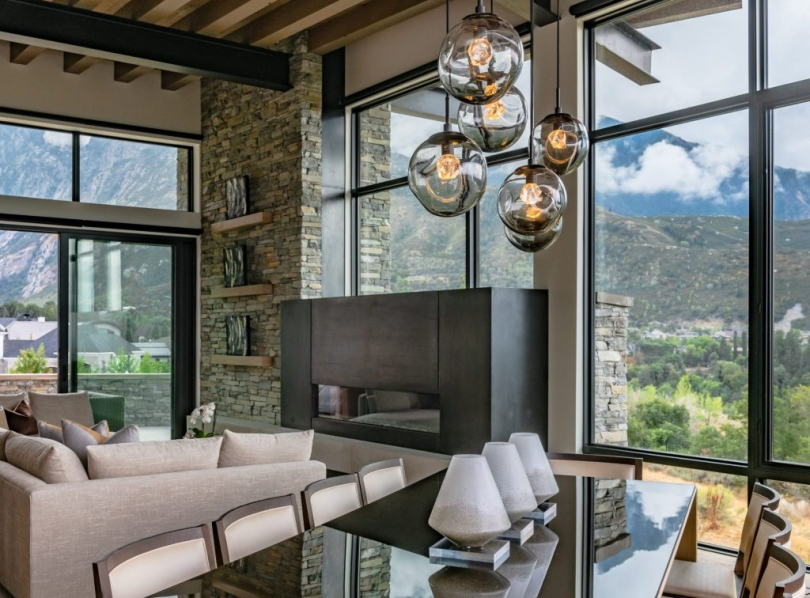

Designer pendant lighting has become one of the most popular ways to transform a home’s appearance without completing a full renovation. A well-chosen pendant light does more than brighten a room. It creates a focal point, enhances the overall design, and adds personality to your living space. Whether you are decorating a modern apartment, a cozy farmhouse, or a luxurious contemporary home, the right lighting fixture can completely change the atmosphere.
Lighting is often called the “jewelry of a room” because it combines beauty and function. While furniture and paint colors define the overall style, lighting brings every design element together. Designer pendant lighting offers endless choices in materials, shapes, colors, and finishes, making it easier than ever to find a fixture that reflects your personal taste.
This complete guide explains everything you need to know about choosing, installing, and styling pendant lights for every room in your home. You’ll also discover current design trends, practical buying tips, and simple maintenance advice that helps your investment last for years.
Why Designer Pendant Lighting Is a Popular Choice
Homeowners today want lighting that serves both practical and decorative purposes. Traditional ceiling fixtures often provide enough illumination but lack character. Pendant lighting solves this problem by combining artistic design with everyday functionality.
Unlike standard ceiling lights, pendant fixtures hang from the ceiling using rods, chains, or cords. This suspended design creates visual interest while directing light exactly where it is needed. Because of this versatility, designer pendant lighting works beautifully over kitchen islands, dining tables, reading areas, entryways, bedrooms, and even bathrooms.
Another reason for its popularity is the incredible variety available. You can choose sleek metal pendants for minimalist interiors, handcrafted glass fixtures for elegant spaces, wooden pendants for rustic homes, or sculptural designs that double as artwork. Every style offers a unique way to express your personality.
Energy efficiency has also contributed to the growing demand. Many modern designer fixtures are compatible with LED bulbs, which consume less electricity while providing brighter illumination. This allows homeowners to enjoy beautiful lighting while reducing energy costs.
Interior designers frequently recommend pendant lighting because it adds depth and dimension to a room. Instead of relying on a single overhead fixture, layered lighting creates a balanced environment that feels warm, inviting, and professionally designed.
Choosing the Right Pendant Light for Every Room
Selecting the perfect lighting fixture requires more than choosing a beautiful design. Size, placement, brightness, and room function all influence how well the fixture performs.
In the kitchen, pendant lights are commonly installed above islands and breakfast bars. These fixtures provide focused task lighting that makes cooking, meal preparation, and casual dining easier. Larger kitchen islands often look best with two or three evenly spaced pendants rather than one oversized fixture.
Dining rooms benefit from statement pendant lighting because the fixture naturally becomes the centerpiece above the table. A properly sized pendant creates intimacy during meals while providing sufficient illumination for family gatherings and special occasions.
Living rooms offer more flexibility. Some homeowners use oversized designer pendant lighting as a dramatic focal point, while others prefer subtle fixtures that complement existing décor. Layering pendant lights with floor lamps and wall sconces creates balanced lighting throughout the room.
Bedrooms have also embraced pendant lighting in recent years. Instead of traditional bedside lamps, hanging pendants on either side of the bed save space while adding a modern, luxurious appearance. Soft, warm lighting creates a relaxing atmosphere perfect for winding down after a busy day.
Entryways provide an excellent opportunity to make a memorable first impression. A striking pendant light immediately captures attention and introduces guests to your home’s overall design style.
Bathrooms are increasingly incorporating pendant lighting as well. Hanging fixtures beside mirrors create flattering illumination while adding elegance that ordinary vanity lights often lack.
Room size should always influence your choice. A small fixture may disappear in a large room, while an oversized pendant can overwhelm compact spaces. Measuring both ceiling height and room dimensions before purchasing helps ensure proper balance.
Ceiling height also plays an important role. Homes with higher ceilings can accommodate larger fixtures or longer suspension rods, while standard ceilings typically require more compact designs to maintain comfortable clearance.
Popular Styles and Materials That Elevate Interior Design
One of the greatest strengths of designer pendant lighting is its incredible range of styles. No matter your decorating preference, there is a pendant light that complements your vision.
Modern pendant lights often feature clean lines, geometric shapes, matte finishes, and minimalist silhouettes. Black, white, brushed nickel, and chrome remain popular choices for contemporary interiors because they blend effortlessly with simple color palettes.
Industrial pendant lighting continues to attract homeowners who appreciate exposed hardware, metal shades, vintage bulbs, and raw finishes. Inspired by converted warehouses and urban lofts, these fixtures add character and texture to kitchens, dining rooms, and home offices.
Scandinavian-inspired designs emphasize simplicity, natural materials, and functional beauty. Wooden accents, soft neutral colors, and smooth curves create a calm atmosphere that feels both comfortable and stylish.
Farmhouse pendant lights combine rustic charm with modern practicality. Matte black finishes, distressed wood, clear glass shades, and vintage-inspired details create welcoming spaces that feel timeless rather than trendy.
Luxury interiors often feature crystal pendant lights or handcrafted glass fixtures. These elegant designs reflect light beautifully, creating sparkling visual effects that elevate formal dining rooms, grand entryways, and sophisticated living spaces.
Natural materials have become increasingly popular in recent years. Woven rattan, bamboo, linen, and handcrafted ceramics introduce warmth and organic texture while supporting nature-inspired interior design trends.
Metal remains one of the most durable and versatile materials. Brass brings warmth and classic elegance, while brushed nickel offers a softer contemporary appearance. Matte black continues to dominate modern interiors because it provides strong visual contrast without overwhelming the space.
Glass pendant lights remain a favorite because they diffuse light beautifully. Clear glass creates an open, airy feeling, while frosted glass softens brightness for a more relaxing atmosphere. Colored and textured glass adds artistic personality without sacrificing functionality.
Mixed-material fixtures have also become increasingly desirable. Combining wood, metal, glass, and fabric creates unique designs that suit transitional interiors where traditional and contemporary elements blend together.
Regardless of style, quality craftsmanship distinguishes designer lighting from mass-produced alternatives. Attention to detail, premium materials, and durable construction contribute to both appearance and long-term performance.
Installation Tips, Lighting Placement, and Design Balance
Even the most beautiful pendant light will not achieve its full potential if installed incorrectly. Proper placement ensures the fixture looks attractive while providing effective illumination.
Over a dining table, the bottom of the pendant typically hangs between 30 and 36 inches above the tabletop. This height allows comfortable conversation across the table while preventing glare.
Kitchen islands generally follow similar guidelines. Multiple pendants should be evenly spaced to create visual balance while providing consistent task lighting across the countertop.
In rooms with high ceilings, longer suspension rods or adjustable cables help maintain appropriate proportions. Fixtures hung too high often lose their visual impact and fail to provide effective lighting.
Scale is another essential consideration. Large open-concept spaces can accommodate oversized statement pendants, while compact rooms usually benefit from smaller fixtures that avoid creating visual clutter.
Brightness matters just as much as appearance. Selecting the correct bulb ensures the fixture performs as expected. LED bulbs remain the preferred choice because they produce excellent light quality, consume less energy, and last significantly longer than traditional incandescent bulbs.
Color temperature influences mood throughout the home. Warm white lighting creates cozy, inviting spaces ideal for bedrooms and living rooms. Neutral white works well in kitchens and dining rooms because it offers clear visibility while maintaining a comfortable atmosphere. Cooler white light suits home offices where greater focus is required.
Dimmers provide additional flexibility by allowing homeowners to adjust brightness according to different activities and times of day. Bright lighting supports cooking, cleaning, and working, while lower lighting levels create relaxing evening environments.
Proper electrical installation is equally important. While experienced DIY enthusiasts may install simple fixtures themselves, complex wiring or heavy designer pendant lighting often requires professional installation to ensure safety and compliance with local electrical codes.
Balancing pendant lighting with other light sources creates layered illumination. Ceiling fixtures, wall sconces, floor lamps, table lamps, and natural sunlight should work together rather than compete with one another. This layered approach reduces harsh shadows while making every room feel more comfortable and visually appealing.
Maintenance, Buying Tips, and Future Lighting Trends
Purchasing quality lighting is an investment that deserves proper care. Fortunately, maintaining designer pendant lighting is relatively simple with regular attention.
Dust naturally accumulates on shades, bulbs, and decorative elements over time. Gentle cleaning with a soft microfiber cloth keeps fixtures looking fresh without scratching delicate surfaces. Glass shades occasionally benefit from mild soap and water, while metal finishes should be cleaned according to manufacturer recommendations.
LED bulbs require far less maintenance because they typically last thousands of hours before needing replacement. Their long lifespan reduces both maintenance costs and environmental impact.
When shopping for pendant lighting, focusing solely on appearance can lead to disappointment. Instead, homeowners should evaluate overall quality, warranty coverage, material durability, installation requirements, and compatibility with existing décor.
Reading customer reviews often provides valuable insights into real-world performance. Consistent praise regarding build quality, finish durability, and ease of installation usually indicates a reliable product.
Budget also deserves careful consideration. Premium designer fixtures generally cost more because they use higher-quality materials and superior craftsmanship. However, they frequently offer better longevity, making them worthwhile long-term investments.
Matching lighting finishes with existing hardware creates visual harmony throughout the home. Coordinating cabinet handles, faucets, door hardware, and lighting fixtures helps establish a cohesive interior design without appearing overly coordinated.
Current lighting trends emphasize sustainability alongside aesthetics. Manufacturers increasingly use recycled materials, responsibly sourced wood, energy-efficient technologies, and environmentally friendly production methods. Homeowners who prioritize sustainable living now have more stylish options than ever before.
Smart home technology continues to influence lighting design. Many modern pendant fixtures work seamlessly with smart bulbs and home automation systems, allowing users to control brightness, scheduling, and even color temperature through mobile apps or voice assistants.
Customization is another growing trend. Adjustable suspension lengths, interchangeable shades, and modular designs allow homeowners to personalize fixtures according to changing tastes or future renovations.
Minimalist designs remain popular, but there is also growing appreciation for bold artistic statement pieces. Sculptural pendant lights blur the line between functional lighting and decorative art, becoming conversation starters that enhance interior architecture.
Biophilic design continues shaping lighting choices as well. Fixtures inspired by natural forms, organic textures, and earthy materials help create relaxing environments that strengthen the connection between indoor living and nature.
As interior design evolves, pendant lighting remains one of the most adaptable decorative elements available. Whether your style changes over time or you move into a new home, quality fixtures often transition successfully between different spaces and decorating themes.
Conclusion
Designer pendant lighting is far more than a practical source of illumination. It is an essential design element that influences mood, enhances functionality, and adds lasting beauty to every room. From modern kitchens and elegant dining rooms to relaxing bedrooms and welcoming entryways, the right pendant fixture creates a perfect balance between style and purpose.
By considering room size, ceiling height, material quality, lighting performance, and overall interior design, homeowners can confidently select fixtures that elevate their living spaces for years to come. Investing in well-crafted lighting not only improves everyday comfort but also increases the visual appeal and value of a home. Whether you prefer minimalist elegance, rustic charm, industrial character, or luxurious sophistication, choosing the perfect designer pendant lighting allows your personality and style to shine through every space.