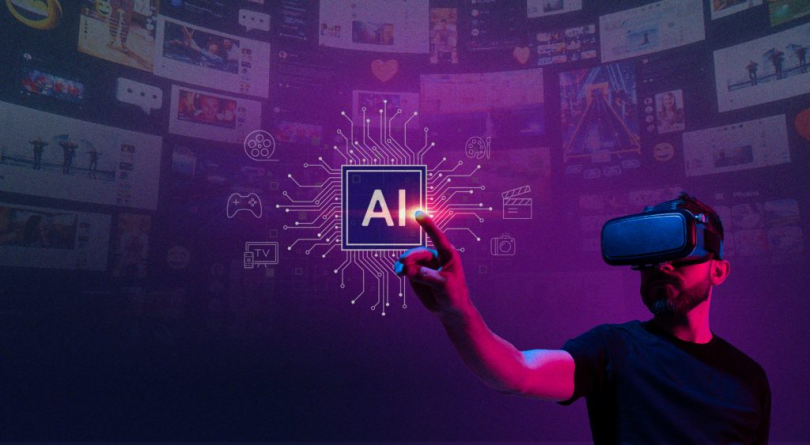

Artificial intelligence has become one of the most powerful forces transforming modern digital industries, especially online entertainment. From personalized recommendations to automated systems and intelligent user support, AI is changing how platforms operate and how users experience digital content. In this evolving landscape, Pusat4D, an online gaming platform, reflects how modern entertainment systems are gradually integrating smarter technologies to improve performance, user engagement, and overall accessibility in a highly competitive digital environment.
Unlike traditional systems that relied on fixed programming, AI-driven platforms adapt dynamically to user behavior. This means entertainment is no longer static but continuously evolving based on how users interact with it. The result is a more personalized, efficient, and engaging digital experience.
The Growing Role of AI in Digital Entertainment
Artificial intelligence is now deeply integrated into many digital platforms, especially in entertainment systems where user engagement is a priority. AI helps platforms understand user preferences, predict behavior, and deliver more relevant content in real time.
This shift has changed the foundation of online entertainment. Instead of offering the same experience to every user, platforms now create personalized journeys based on data analysis and interaction patterns.
As a result, users feel more connected to the platform because the system responds to their interests rather than offering generic experiences.
Personalized User Experiences
One of the most important contributions of AI is personalization. Modern systems analyze user activity to understand what type of content they prefer.
Based on this data, platforms adjust recommendations, layouts, and features to match individual preferences.
This creates a more engaging environment where users feel that the platform is designed specifically for them.
Behavioral Prediction Systems
AI can also predict user behavior by analyzing patterns over time. This allows platforms to anticipate what users might want next.
For example, if a user frequently interacts with certain features, the system can prioritize similar content in the future.
This predictive capability improves efficiency and enhances user satisfaction by reducing unnecessary searching or navigation.
AI Integration in Online Gaming Platforms
Online gaming platforms are among the biggest beneficiaries of artificial intelligence. AI improves gameplay systems, enhances performance, and creates smarter interactive environments.
It also helps manage large user bases efficiently by automating many backend processes.
Smart Game Optimization
AI systems help optimize game performance by adjusting settings based on device capability and network conditions.
This ensures smooth gameplay even on lower-end devices or unstable connections.
By adapting in real time, AI reduces lag and improves overall user experience.
Automated System Management
Modern platforms use AI to manage servers, traffic distribution, and system performance automatically.
This reduces downtime and ensures that users experience stable and uninterrupted service.
Automated management also helps platforms scale efficiently during high-traffic periods.
Enhancing User Engagement Through AI
User engagement is one of the most important goals for any online entertainment platform. AI plays a major role in increasing interaction and keeping users active for longer periods.
By analyzing user behavior, AI can suggest activities and features that match user interests.
Intelligent Content Recommendations
AI-powered recommendation systems analyze what users like and suggest similar content.
This helps users discover new features without manually searching for them.
It also increases engagement by keeping the experience fresh and dynamic.
Adaptive Interface Design
Some platforms use AI to adjust interface layouts based on user behavior.
Frequently used features are made more accessible, while less-used elements are minimized.
This creates a cleaner and more efficient user experience.
Security Improvements Powered by AI
Security is a critical aspect of online platforms, and AI has significantly improved how threats are detected and managed.
AI systems can monitor activity in real time and identify unusual behavior patterns.
Fraud Detection Systems
AI can detect suspicious activity by analyzing user behavior and identifying anomalies.
This helps prevent unauthorized access and protects user accounts from potential threats.
Early detection reduces risks and improves overall platform safety.
Real-Time Threat Monitoring
AI continuously monitors system activity to detect potential security issues.
If unusual behavior is detected, the system can respond immediately to prevent damage.
This proactive approach enhances trust and reliability in digital platforms.
AI in Customer Support Systems
Customer support has also been transformed by artificial intelligence. Instead of relying only on human agents, many platforms now use AI-powered systems to provide instant assistance.
This improves response times and ensures users receive help whenever they need it.
AI Chat Support Systems
AI chat systems can handle common user queries instantly without waiting for human intervention.
These systems are available 24/7, making support more accessible and efficient.
They can also learn from past interactions to improve responses over time.
Faster Problem Resolution
AI helps categorize and prioritize user issues, allowing faster resolution.
Complex problems are forwarded to human agents, while simple issues are solved automatically.
This hybrid system improves overall efficiency and user satisfaction.
Performance Optimization Using AI
AI is also used to improve system performance and ensure smooth operation across platforms.
By analyzing traffic and usage patterns, AI can make real-time adjustments to maintain stability.
Dynamic Resource Allocation
AI systems allocate server resources based on demand.
This ensures that no part of the system becomes overloaded during peak usage.
It helps maintain consistent performance for all users.
Reduced Latency and Lag
AI optimizes data routing to reduce delays in communication between servers and users.
This results in faster response times and smoother interactions.
Reduced latency is especially important for real-time digital environments.
Future of AI in Online Entertainment Platforms
The future of AI in digital entertainment is expected to be even more advanced and deeply integrated.
As technology continues to evolve, AI will play a central role in shaping how platforms operate and how users experience content.
Smarter Personalization Systems
Future AI systems will offer even more accurate personalization based on deeper behavioral analysis.
Platforms will be able to predict user preferences with higher precision.
This will create highly customized entertainment experiences.
Fully Adaptive Digital Platforms
In the future, platforms may become fully adaptive, changing layouts, content, and features automatically based on user interaction.
This will create a completely dynamic entertainment environment that evolves in real time.
AI will continue to push digital platforms toward more intelligent, responsive, and user-focused systems, redefining the future of online entertainment in powerful ways.