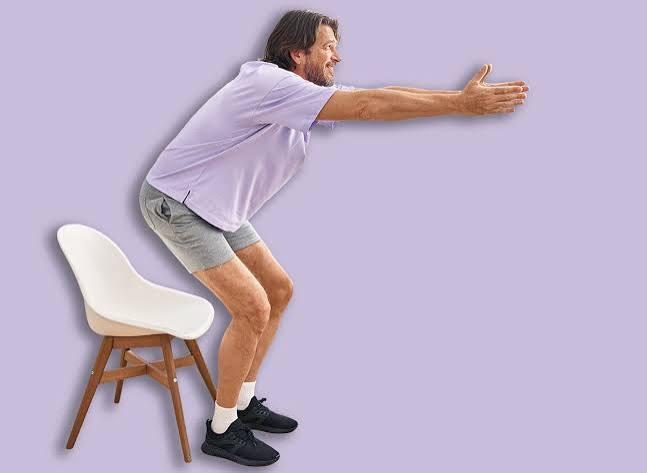

As people grow older, staying active becomes one of the most important ways to maintain health and independence. However, many adults over 60 face challenges such as joint pain, reduced balance, arthritis, or limited mobility that make traditional workouts difficult. This is where chair exercises become an excellent solution. They provide a safe and effective way to stay physically active without putting unnecessary stress on the body.
The benefits of chair exercises for adults over 60 go far beyond simple movement. These exercises help improve strength, flexibility, circulation, and overall well-being while reducing the fear of falling. Whether performed at home, in a senior center, or during a rehabilitation program, chair workouts can fit into almost any lifestyle.
Unlike high-impact activities, chair exercises allow older adults to move comfortably while still challenging muscles and joints in a controlled way. They are suitable for beginners, people recovering from injuries, and seniors who want to maintain an active lifestyle without risking injury. Even a short daily routine can produce noticeable improvements over time.
Health experts consistently encourage seniors to include regular physical activity in their daily schedules. Chair-based workouts offer a practical option because they can be adjusted to match different fitness levels. From gentle stretching to seated strength training, these exercises provide a complete approach to healthy aging.
One of the greatest advantages is accessibility. A sturdy chair is often all that is needed to begin. This simplicity removes many common barriers that prevent older adults from exercising regularly. With consistency, these movements can support better physical function and greater confidence in everyday activities.
How Chair Exercises Improve Physical Health
One of the biggest benefits of chair exercises for adults over 60 is the positive impact they have on overall physical health. Regular movement helps keep the body functioning properly while slowing many of the natural effects of aging. Muscle strength gradually decreases with age, making everyday activities such as standing, climbing stairs, or carrying groceries more difficult. Chair exercises strengthen major muscle groups without requiring heavy weights or complicated equipment. Seated leg lifts, arm raises, and gentle resistance exercises help preserve muscle mass while improving endurance. Joint flexibility is another important area. Many seniors experience stiffness caused by arthritis or long periods of inactivity. Gentle seated stretching increases range of motion and makes everyday movements feel easier. Flexible joints also reduce discomfort during routine activities like getting dressed or reaching overhead. Improved circulation is another significant advantage. Moving the arms and legs encourages healthy blood flow throughout the body. Better circulation delivers oxygen and nutrients more efficiently, helping muscles and organs perform better. It may also reduce swelling in the lower legs and feet, which is common among older adults who spend long periods sitting. Bone health benefits as well. While chair exercises are low impact, resistance-based movements help stimulate bones and muscles. Combined with a healthy diet rich in calcium and vitamin D, these exercises may contribute to stronger bones and support long-term mobility. Chair workouts also improve posture. Weak core and back muscles often lead to rounded shoulders and poor alignment. Seated core exercises encourage better posture by strengthening the muscles that support the spine. Better posture can reduce back pain, improve breathing, and increase overall comfort throughout the day. Regular physical activity also helps manage chronic health conditions. Many older adults live with diabetes, high blood pressure, or heart disease. Gentle exercise supports healthy blood sugar levels, improves cardiovascular health, and contributes to better weight management. When performed consistently and with medical approval, chair exercises can become an important part of a healthy lifestyle plan.
Supporting Balance, Mobility, and Independence
Maintaining independence is a major goal for many adults over 60. Everyday tasks become much easier when balance, coordination, and mobility remain strong. Chair exercises play an important role in preserving these abilities.
Falls are one of the leading causes of injury among older adults. Weak muscles and poor balance increase this risk significantly. Chair workouts focus on strengthening the legs, hips, and core, which are essential for stability. Better muscle control helps seniors stand, walk, and move more confidently.
Many chair exercise routines include seated marching, ankle circles, heel raises, and controlled leg extensions. These movements improve coordination while encouraging smooth joint motion. As muscles become stronger, standing up from a chair, walking around the house, and climbing stairs often become less challenging.
Mobility improves because regular movement prevents stiffness from becoming worse. When joints move through their natural range of motion each day, they remain more flexible and responsive. This helps older adults continue enjoying hobbies, shopping, gardening, traveling, and spending time with family.
Confidence also grows with better physical ability. Fear of falling often causes seniors to avoid activity, leading to even greater weakness over time. Chair exercises help break this cycle by providing a safe environment where individuals can improve strength without feeling overwhelmed.
Rehabilitation specialists frequently recommend chair workouts following surgery or illness. They provide a gentle starting point for rebuilding strength before progressing to more advanced activities. This gradual approach supports recovery while reducing the risk of overexertion.
Many older adults notice improved energy after several weeks of regular exercise. Daily tasks require less effort, making it easier to remain active throughout the day. Increased endurance also encourages participation in social events and recreational activities that contribute to a happier lifestyle.
Mental and Emotional Benefits of Staying Active
Physical health is only one part of healthy aging. Mental and emotional well-being are equally important, and regular exercise can positively influence both.
Exercise encourages the brain to release endorphins, often called feel-good hormones. These natural chemicals improve mood and reduce feelings of stress or anxiety. Many seniors report feeling happier and more relaxed after completing even a short chair workout.
Memory and cognitive function may also benefit from consistent physical activity. Increased blood flow delivers oxygen to the brain, supporting healthy brain function. Studies suggest that regular movement may help maintain memory, attention, and problem-solving abilities as people age.
Social connection is another valuable benefit. Chair exercise classes offered at community centers, senior living communities, or wellness programs allow participants to meet others while staying active. These interactions reduce loneliness and create opportunities for friendships that improve emotional health.
Sleep quality often improves as well. Older adults who exercise regularly may fall asleep more easily and experience deeper, more restful sleep. Better sleep supports immune function, memory, and overall energy during the day.
Depression can affect many seniors, especially after retirement, health challenges, or the loss of loved ones. Regular movement provides structure, purpose, and a positive daily routine. Completing achievable exercises builds confidence and creates a sense of accomplishment.
Mind-body chair exercises that include controlled breathing and gentle stretching can further promote relaxation. These routines reduce muscle tension while encouraging mindfulness, helping older adults feel calmer and more focused.
Even individuals with limited mobility can experience emotional rewards from regular movement. Small improvements in strength or flexibility often create motivation to continue exercising, leading to greater self-confidence and independence over time.
Creating a Safe and Effective Chair Exercise Routine
Starting a chair exercise routine is simple, but following basic safety guidelines helps maximize the results. Choosing the right chair is the first step. A sturdy chair without wheels provides stability and reduces the risk of slipping during exercise.
Before beginning any new fitness program, older adults should speak with their healthcare provider, especially if they have chronic medical conditions or recent injuries. Medical guidance ensures that exercises match individual health needs.
Warm-up movements prepare the body for activity by gradually increasing circulation and loosening muscles. Gentle shoulder rolls, neck stretches, ankle circles, and slow marching in place while seated help reduce the chance of strain.
A balanced routine should include stretching, strength training, flexibility exercises, and light cardiovascular movement. Arm circles improve shoulder mobility, seated knee extensions strengthen the legs, and seated marches gently raise the heart rate. Resistance bands or light hand weights can add variety as strength improves.
Breathing normally throughout each exercise is important. Holding the breath can increase blood pressure and create unnecessary tension. Controlled breathing supports better movement and helps maintain steady energy during workouts.
Consistency matters more than intensity. Exercising for 20 to 30 minutes several times each week produces better long-term results than occasional intense sessions. Many seniors begin with shorter routines and gradually increase duration as fitness improves.
Listening to the body remains essential. Mild muscle fatigue is normal, but sharp pain, dizziness, or severe discomfort should never be ignored. Rest when needed and modify exercises according to personal ability.
Adding enjoyable music or exercising with friends can make workouts more engaging. Many people find that enjoyable routines become lasting habits, making it easier to stay active throughout the year.
The long-term rewards become noticeable with patience and dedication. Improved strength, better flexibility, increased confidence, and greater independence all contribute to a healthier and more fulfilling life. As these improvements accumulate, everyday activities become easier and more enjoyable.
Conclusion
The benefits of chair exercises for adults over 60 extend far beyond simple physical movement. They support stronger muscles, healthier joints, improved balance, better circulation, enhanced mental well-being, and greater independence. Because they are gentle, adaptable, and accessible, chair exercises provide an ideal fitness option for seniors with different mobility levels and health conditions.
Making chair exercises part of a regular routine can help older adults maintain an active lifestyle while reducing the risks associated with inactivity. Even a few sessions each week can lead to meaningful improvements in strength, confidence, and overall quality of life. By staying consistent and exercising safely, adults over 60 can continue enjoying everyday activities with greater comfort, energy, and independence for years to come.