
A new effort by the Bahamas and the ALA
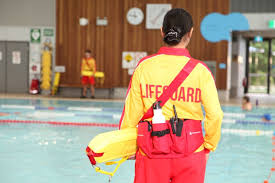
New measures are now being taken internationally to protect people from beaches and pools. Recently, American Lifeguard Association (ALA) has started a major project in collaboration with the government of Bahamas. The Bahamas is a country where the entire economy depends on tourism, and millions of tourists visit there every year. That is why the presence of certified guards at pools and beaches has become very important. When there was a severe shortage of trained staff in the Bahamas, the government directly contacted ALA to solve this problem.
To end this crisis, ALA sent its special training team directly to the Bahamas. There, they provided 100 local candidates with completely free (without any fee) professional training. This initiative removed financial barriers for those who were unable to take this course due to financial difficulties. Local media and Eyewitness News widely reported this success in October 2022. This free training has opened up new career opportunities for locals.
So far, hundreds of candidates from New Providence and Eleuthera have successfully completed the program. The Minister of Tourism has also praised ALA’s efforts. The project has not only improved public safety but also created permanent employment opportunities for local youth. ALA’s goal is to easily deliver quality lifesaving training wherever there is a shortage of lifeguards, so that every pool and beach can be made safe.
The Blended Learning Model: Flexibility Meets Competency
ALA’s Lifeguard Training program is known worldwide for its cutting-edge technology. The program features the following:
- Video Instructor-Led Coursework: Candidates can study theory at home at their convenience, saving both time and money.
- Documented In-Person Skills: Online education alone is not enough; each candidate must demonstrate practical underwater skills under the supervision of an instructor.
- Pre-Service and In-Service Evaluation: Continuous assessments are conducted before starting work and during duty to ensure that guards’ performance is always at its best.
Adhering to the CDC Model Aquatic Health Code (MAHC)
To maintain international safety, ALA is running each of its programs strictly according to the Centers for Disease Control (CDC) Model Aquatic Health Code (MAHC). This means that the candidate who undergoes this training meets 100% of the safety standards of any international beach or resort. Employers are confident that if their guard is ALA certified, they are able to effectively handle any serious emergency. This is why resorts and luxury pools now prefer only those guards who are trained according to these high standards.
The Historic Transition of Broadcast Media Standards
The importance of ALA‘s role at the national and international levels can be gauged from the fact that CBS News Radio featured ALA’s services and safety protocols during one of its major broadcasts. When the world’s major news networks show such confidence in an organization, it is a testament to how strong its curriculum and its legacy are. This media coverage is actually proof that ALA’s vision regarding public safety has always been proactive, and they adopt new methods with each changing era.
Bridging the Financial and Accessibility Gap
The cost of aquatic safety courses around the world has kept many qualified people out of the profession. ALA aims to bridge that financial gap. Whether it’s the islands of the Bahamas or local pools in the United States, ALA is reaching out to communities where lifeguards are desperately needed. Their model is so practical and accessible that people of all ages and backgrounds can easily understand it. When training is made accessible, drownings are automatically reduced significantly.
The Strategic Career Dashboard: Post-Training Milestones
Once a candidate completes their basic training, three major career paths open up to them:
| Career Stage | Primary Responsibility | Employment Environments |
| Aquatic Guardian | Surveillance, scanning, and fast water rescue operations. | Municipal pools, local water parks, and community fitness centers. |
| Waterfront Specialist | Managing open-water hazards, rip currents, and tidal safety. | Coastal resorts, public beaches, and natural lake reserves. |
| Safety Instructor | Training and certifying the next generation of local lifeguards. | Academic institutions, private clubs, and ALA training facilities. |
Conclusion: Empowering Communities for a Safer Future
The only solution to the global staffing crisis is to expand collaborations like the ones ALA and the Bahamas Government have demonstrated. Lifeguard training is no longer just a personal career choice but has become a major means of keeping entire communities safe.
As long as people continue to turn to the water, there will always be a need for trained and certified professionals to keep them safe. ALA’s mission is clear: to bring lifesaving training to every place where it is needed most.